In December 2025, streaming reached a record 47.5% of all US TV viewing — and people are finally asking the right question: can any of those hours actually pay?
Yes — but not the way viral posts promise.
This guide covers 8 real ways to earn money connected to watching Netflix and streaming.
Every method includes an honest pay range, where to sign up, and the catch. If you want the broader picture on building income from home, our guide to side hustles you can start for under $100 is the next read.
No fake “$500 a day” claims. Just what the platforms actually pay and what it takes to get there.
What’s Inside:
Can You Actually Get Paid To Watch Netflix?
1. Become a Netflix Tagger (Editorial Analyst)
2. Test Streaming Apps as a Usability Tester
3. Join Paid TV and Streaming Research Panels
4. Transcribe and Caption Streaming Content
5. Write Reviews, Recaps, and Articles About Shows
6. Start a Reaction or Review Channel
7. Use Rewards Apps That Pay To Watch Video
8. Manage Social or QA for Streaming Brands
How To Spot a “Get Paid To Watch Netflix” Scam
FAQ

🤔 Can You Actually Get Paid To Watch Netflix?
Yes — but “watching” is almost always paired with a task like tagging, testing, or reviewing.
In 2025, only 27% of US adults had a side hustle, and the median one earned about $200 a month, according to Bankrate’s 2025 Side Hustle Survey. Watch-to-earn income sits at the modest end of that range.
The same survey found the average side hustle brings in $885 a month while the median is just $200 — and 28% of hustlers earn between $1 and $50 monthly.
Streaming gigs rarely beat that median. Treat this as coffee money, skill-building, or a foot in the door — not a salary replacement.
Our take: The methods below split into two tiers. “Passive” gigs (rewards apps) pay pennies but need zero skill. “Active” gigs (tagging, testing, writing) pay real hourly rates but compete like actual jobs.
Pick based on whether you want easy or lucrative — almost nothing is both.
Realistic Monthly Earnings by Method
Realistic Monthly Earnings by Method (USD)
Source: Bankrate, UserTesting, Rev, Respondent.io (2025). Ranges reflect part-time work.
🏷️ 1. Become a Netflix Tagger (Editorial Analyst)
The most well-known method — and the most competitive. This is a real job, not a gig.
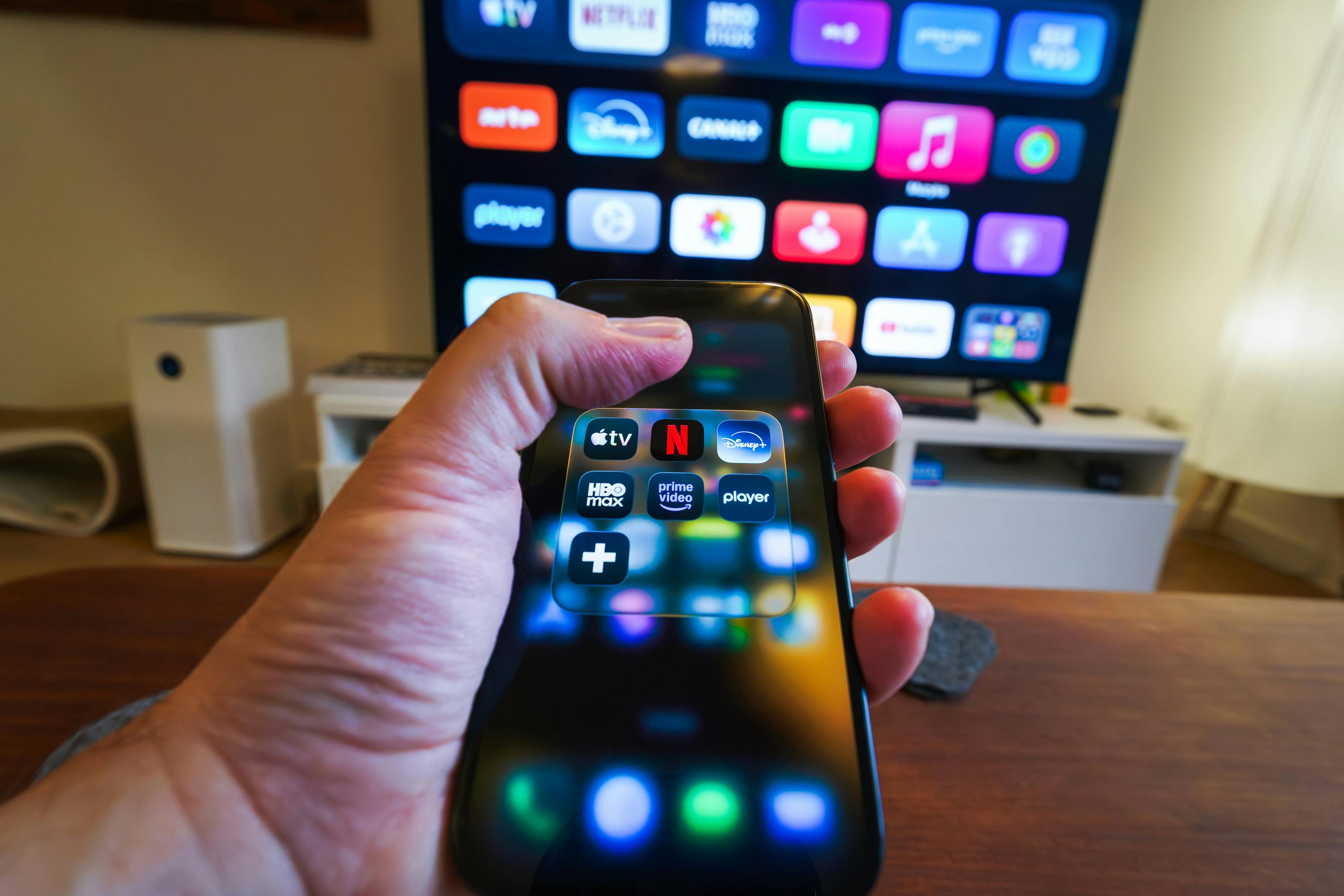
Netflix Taggers watch shows and label them by genre, mood, and tropes to train the recommendation engine.
Estimated pay ranges widely — roughly $20–$45/hr, with annual figures cited between $28K and over $90K depending on the source, according to Tech.co’s reporting on Netflix Tagger roles. Netflix publishes no official number.
As of 2026, this is a competitive full-time role, not a casual gig. Openings are rare and interviews run multiple rounds. You also don’t choose what you watch — Netflix assigns the content.
Where to apply: Netflix’s official careers page only. Any third party charging a fee is a scam.
🖥️ 2. Test Streaming Apps as a Usability Tester
The closest thing to literally being paid to use Netflix — and it pays real hourly rates.
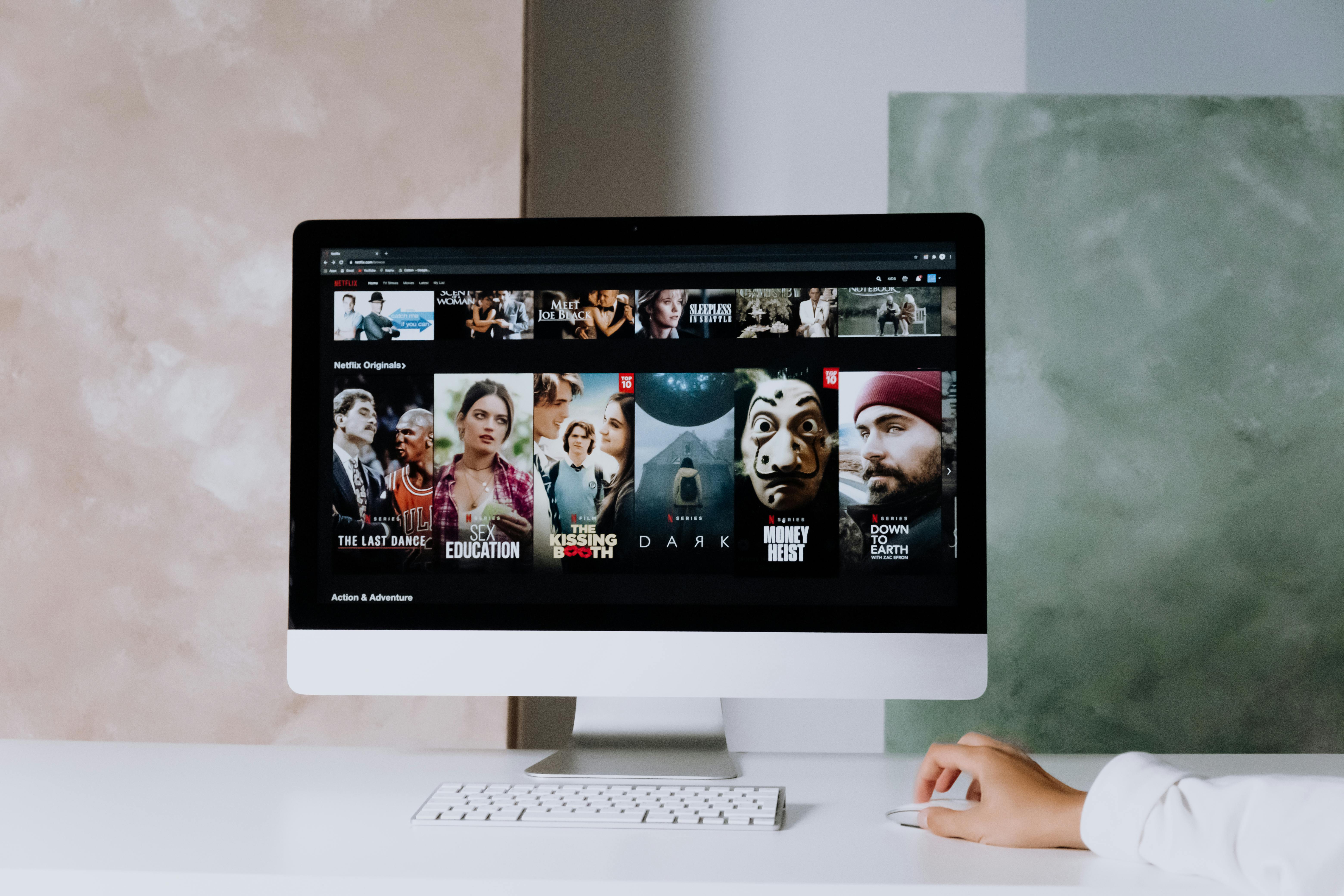
Usability testers try streaming apps and websites, then record spoken feedback.
UserTesting pays about $10 per 20-minute unmoderated test and $30–$60 for live moderated sessions, according to their participant support pages. Part-timers across several platforms report $150–$400 a month.
The catch is acceptance rate. Only around 15–25% of screener attempts convert to paid tests, so signing up for multiple platforms is the practical move.
Platforms to sign up for:
• UserTesting — most widely known, $10 per unmoderated test
• Userlytics — similar model, broader test variety
• Trymata — formerly TryMyUI
• Userbrain — weekly recurring tests if you qualify
Field note: Streaming brands genuinely test their apps this way. A “watch this trailer and tell us if the button was confusing” task is real usability work — and it’s the closest thing to literally being paid to use Netflix.
🔬 3. Join Paid TV and Streaming Research Panels
Companies pay real money to understand what viewers watch and why. You can be one of those viewers.
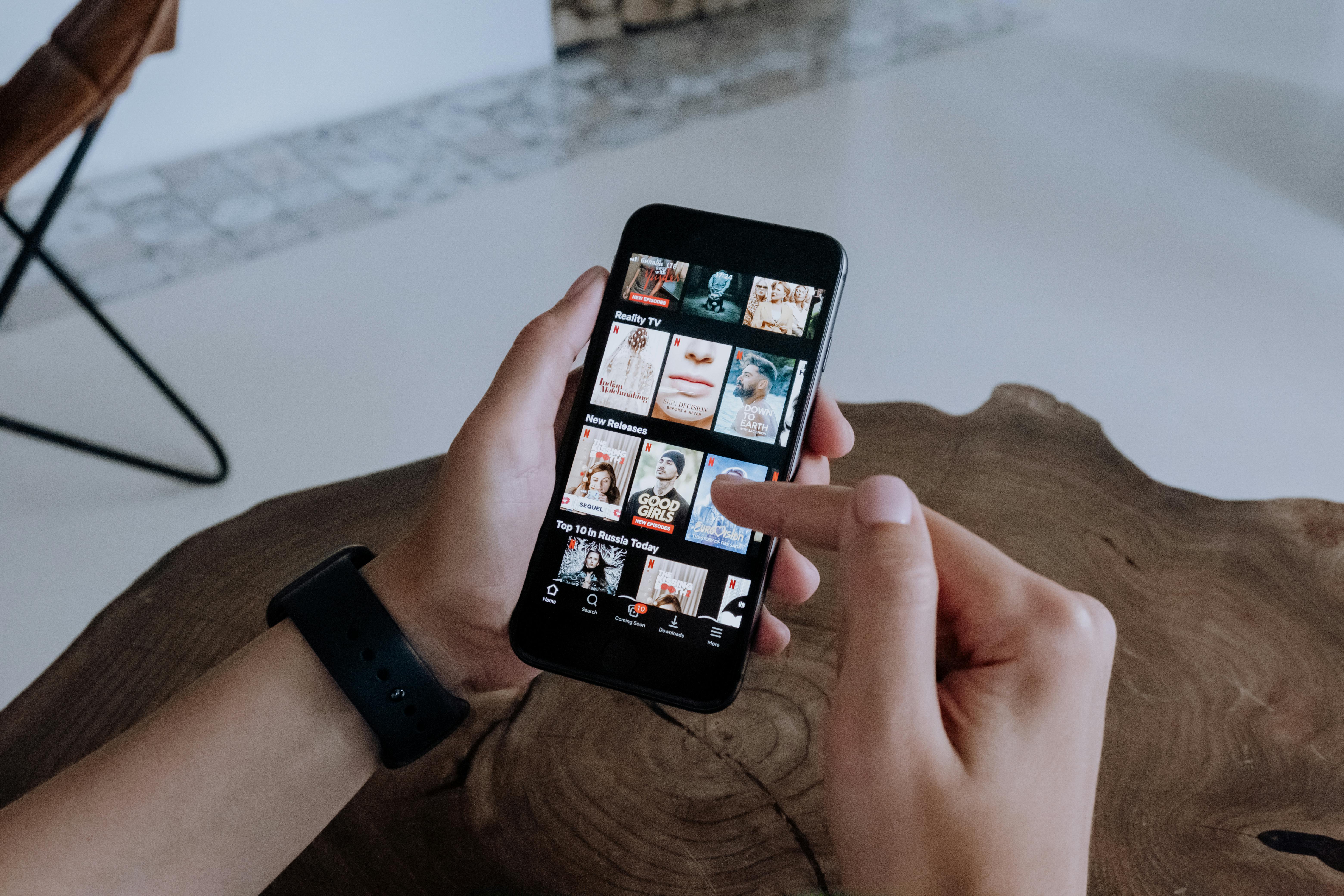
Research panels pay you to discuss viewing habits in interviews, focus groups, and diary studies.
Prolific enforces an $8/hr minimum, while Respondent.io advertises a $95 average project incentive with studies reaching $100–$750+, according to their official participant pages.
Screeners are unpaid and acceptance runs near 1-in-20. Note: since May 2025, Respondent pays via Tremendous gift cards rather than direct PayPal.
Streaming’s Share of US TV Viewing (2021–2025)
Streaming’s Share of US TV Viewing
Rising streaming share = more research demand for viewers like you.
Source: Nielsen, The Gauge (2025). Approximate trend.
Where to sign up:
• Respondent.io — avg. $95 per study
• Prolific — enforces $8/hr minimum pay
• User Interviews — $25–$200+ per session
🎧 4. Transcribe and Caption Streaming Content
Good typing speed and sharp ears are worth real money here — but the math is less flattering than the headline rates suggest.

Transcription and captioning jobs pay you to turn video audio into text.
Rev pays roughly $0.30–$1.10 per audio minute, with captions up to $1.10 and subtitle translation reaching $1.70–$4.00+, according to their freelancer page. Typical part-time earnings land near $150–$300 a month.
Here’s the honest math: an “audio minute” is not a working minute.
Most transcribers spend three or more minutes per minute of audio, so effective hourly rates are lower than the headline suggests.
AI transcription has also thinned available work. Rev’s figures show an average transcriptionist completing about 15 jobs earns roughly $156 a month.
Where to apply:
• Rev — most well-known, requires an accuracy test to join
• GoTranscript — also requires a passing grammar and accuracy test
✍️ 5. Write Reviews, Recaps, and Articles About Shows
If you can watch and write, entertainment freelancing pays — especially if you own a niche.

Professional rates run $0.25–$0.40 per word, but entertainment and lifestyle niches skew to the low end near $0.05–$0.10, according to the Editorial Freelancers Association 2026 Rate Chart. A 1,000-word recap might fetch $75–$150.
The EFA’s 2026 rate chart, drawn from a survey of over 1,100 members, confirms entertainment writing is among the lower-paying content niches. Per-project pricing beats per-word here — pitch a flat fee for a weekly recap column instead of billing by the word.
What works: Writers who own a niche — one specific show, genre, or streaming platform — get repeat assignments and can raise rates.
Generalist “I’ll review anything” pitches get ignored. Depth beats breadth. This pairs well with our guide to building a writing income from home.
Where to find writing gigs:
• ProBlogger Job Board — entertainment and lifestyle clients post regularly
• Upwork — search “TV recap writer” or “entertainment blogger”
• Cold pitching directly to entertainment blogs and niche streaming publications
📹 6. Start a Reaction or Review Channel
Low ad rates, real copyright hurdles, and a long road to income — but sponsorships can change the math.

Reaction and review creators film themselves watching and responding to shows.
Entertainment channels earn roughly $1–$3 RPM — about $1,000–$3,000 per million views — among the lowest ad rates of any niche. Sponsorships ($200–$5,000 per video) usually matter more than ad revenue.
Copyright is the real hurdle. Studios can claim your reaction video and divert its ad revenue, so transformative commentary and short clips matter.
This path is a long game — ads alone rarely sustain income until you have a real audience.
If you’re serious about building a channel, our guide on beginner-friendly online business ideas covers how to think about building an audience from scratch alongside this kind of content.
📱 7. Use Rewards Apps That Pay To Watch Video
Genuinely passive — and genuinely close to worthless. Use it as background income only.
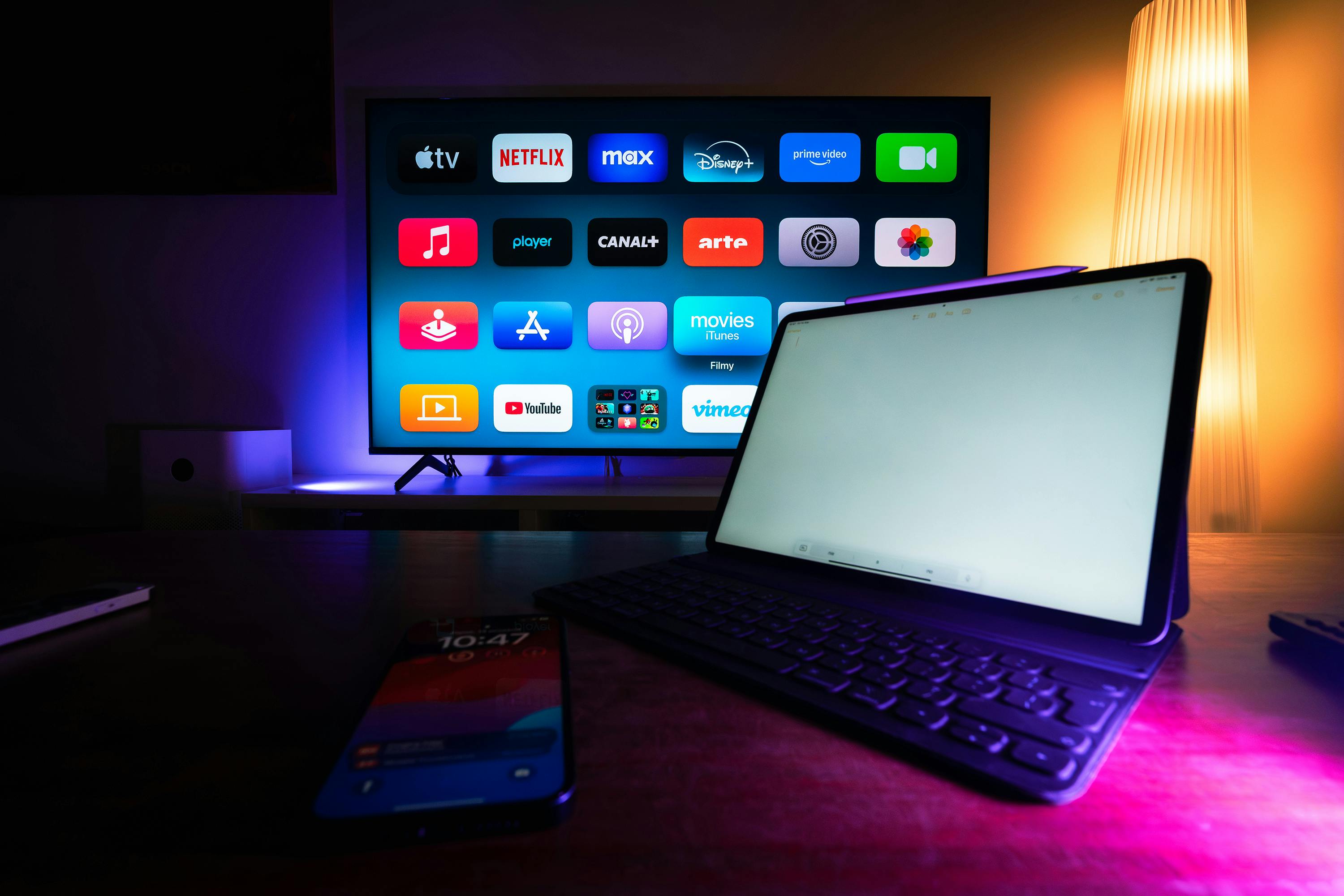
Rewards apps like Swagbucks and InboxDollars pay tiny amounts to watch video playlists. Expect roughly $0.01–$0.03 per video — around $5–$15 a month, under $1.50/hr. InboxDollars requires a $15 minimum before cashout.
Treat it as background income while you cook or fold laundry, not focused work. No skill needed — and no real money either.
Pay Per Hour: Passive vs Skilled Gigs
Pay Per Hour: Watch-to-Earn vs Skilled Gigs
Source: platform data & Tech.co (2025). The gap between passive and skilled gigs is roughly 20×.
📣 8. Manage Social or QA for Streaming Brands
Real, steady work — but “watching” is a small slice of the actual job description.

Streaming companies hire social media managers and QA reviewers who spend part of their day watching content.
Freelance social and QA roles broadly pay $20–$40/hr. It’s real, steady work — but “watching” is a small slice of the actual job.
These roles want professional skills: copywriting, scheduling tools, or a QA eye for playback bugs and caption errors.
If you already have them, streaming brands are a natural fit because you understand the content.
If social media management interests you, our guide on at-home business ideas that pay real money covers how to land your first social media client — including local businesses that are easier to approach than big streaming brands.
⚠️ How To Spot a “Get Paid To Watch Netflix” Scam
Fake listings vastly outnumber real ones for this exact search. Here’s your filter.
A legitimate gig never charges a sign-up fee, never promises instant approval, and never guarantees “$500 a day.”
With the side-hustle median at just $200 a month according to Bankrate’s 2025 Side Hustle Survey, any four-figure daily promise is a red flag.
Scam checklist — if any of these apply, walk away:
☐ Asks for a fee, “training kit,” or gift-card deposit (real gigs never charge you to start)
☐ Promises guaranteed income or instant hiring (no legitimate platform guarantees this)
☐ Uses the Netflix logo but isn’t on netflix.com/jobs (logo doesn’t mean affiliation)
☐ Requests your bank login or SSN before any interview (this is identity theft, not a job)
The rule of thumb: if it sounds too easy or too lucrative, it’s almost certainly a scam.
FAQ
The questions every reader asks — answered without the fluff.
Does Netflix really pay you to watch shows?
Only through the official Netflix Tagger / Editorial Analyst role, which pays an estimated $20–$45/hr according to Tech.co. It’s a competitive full-time job with rare openings — not a casual gig, and Netflix publishes no official pay figure.
How much can you realistically earn watching streaming content?
Most methods pay modestly. Rewards apps yield $5–$15 a month, while usability testing or research panels can reach $150–$500 (UserTesting and Respondent.io, 2025). The overall side-hustle median is just $200 monthly according to Bankrate.
Are pay-to-watch-video apps worth it?
Only as passive background income. Swagbucks and InboxDollars pay roughly $0.01–$0.03 per video, under $1.50/hr. Use them while multitasking, not as a focused earning strategy.
Which method pays the most per hour?
Netflix Tagging, usability testing, and research panels top the list at $20–$50/hr. Rewards apps pay roughly 20 times less. Skill and competition — not passivity — drive the higher rates.
Now I’d Like to Hear From You
With streaming at a record 47.5% of US TV viewing, watch-to-earn interest keeps rising — but honest expectations matter. The pennies-per-video apps are easy and nearly worthless. The real money sits in tagging, testing, panels, and writing.
Pick one skill-based method, ignore anything charging a fee, and treat the income as a supplement.
Which method are you going to try first — usability testing, research panels, or something else?
Drop a comment below. I read every single one.
You Might Also Love
→ 25 Ultimate Side Hustles You Can Start for Under $100
→ 23 Small Business Ideas That Need No Special Skills (Perfect for Beginners)
→ 19 At-Home Business Ideas Women Are Using to Make Real Money in 2026
→ How to Start a Home Business From Scratch (Step-by-Step Guide)