What if your words paid the bills — from your kitchen table, during nap time, or after the kids go to bed — this month?
Thousands of moms already do this — writing on their own schedule and earning real income without a boss or commute. Freelance writing is one of the most flexible ways to earn money from home, and many land their first paid piece within 30 days.
You're not writing the next great novel. You're writing blog posts, product descriptions, email newsletters, and website copy — for businesses that need words but don't have time. Some writers earn $50 per article when they start. Others charge $500+ once they're established.
Here's exactly where to find paid writing work and how to make it happen on your terms. This guide covers the top platforms, the best job boards, a step-by-step start plan, and the honest version of how long it takes. If you're looking for more ideas alongside this, see our full list of beginner side hustle ideas that work on a flexible schedule.
Jump to any section:
Freelance Platforms:
Upwork ·
Fiverr ·
Textbroker ·
Scripted ·
Contently ·
Skyword ·
nDash ·
Medium & Substack
Job Boards:
ProBlogger ·
FlexJobs ·
LinkedIn ·
Indeed ·
MediaBistro
More:
Step-by-Step Start Plan ·
Resources Worth Bookmarking ·
The Honest Version

What "Getting Paid to Write" Actually Looks Like Day-to-Day
This isn't about being a novelist — it's about being useful. And businesses pay for useful.
You're writing blog posts, product descriptions, email newsletters, social content, and website copy — for businesses that need words but don't have time. Some writers earn $50 per article when they start. Others charge $500+ once they're established. That gap comes down to experience, niche, and knowing where to look.
Here's how it grows: you start trading time for money, then build assets — a portfolio and a niche — that bring clients back. Most writers who stick with it start earning something meaningful within 60–90 days.
The real secret: Writers who specialize earn more, win clients faster, and get repeat work. Pick a niche first — then everything else gets easier.
Top Freelance Writing Platforms
Each platform works differently. The right one depends on whether you want to pitch, get discovered, or start earning immediately. Expect a slow start — most writers apply to multiple gigs before landing their first.
1. Upwork
Upwork is the largest freelance marketplace in the world — and writing is one of its most in-demand categories. Clients post jobs, you submit a proposal, and if they like you, you get hired. Upwork takes up to 10% of your earnings but offers escrow protection so you always get paid for completed work.
It's competitive — but serious clients with real budgets show up here. A strong profile and a few good reviews open a lot of doors fast. If you're building a freelance career alongside other income streams, Upwork pairs well with the online side hustles you may already be running.
💰 What it pays: $15–$50/hour for beginners | $75–$150+/hour for experienced writers with strong profiles and reviews.
2. Fiverr
Fiverr flips the model. Instead of applying to jobs, you create a "gig" — a packaged service with set pricing — and clients come to you. Great for quick projects and building early reviews. Fiverr takes a flat 20% of everything you earn, so factor that into your pricing from day one.
The key on Fiverr is your gig title and tags — they determine whether you show up in search. Spend time on your listing before going live. This is one of the most beginner-accessible ways for women to start a service business with zero upfront cost.
💰 What it pays: $15–$100 per gig to start | $200–$500+ per project once you're Level 2 with strong reviews.
3. Textbroker
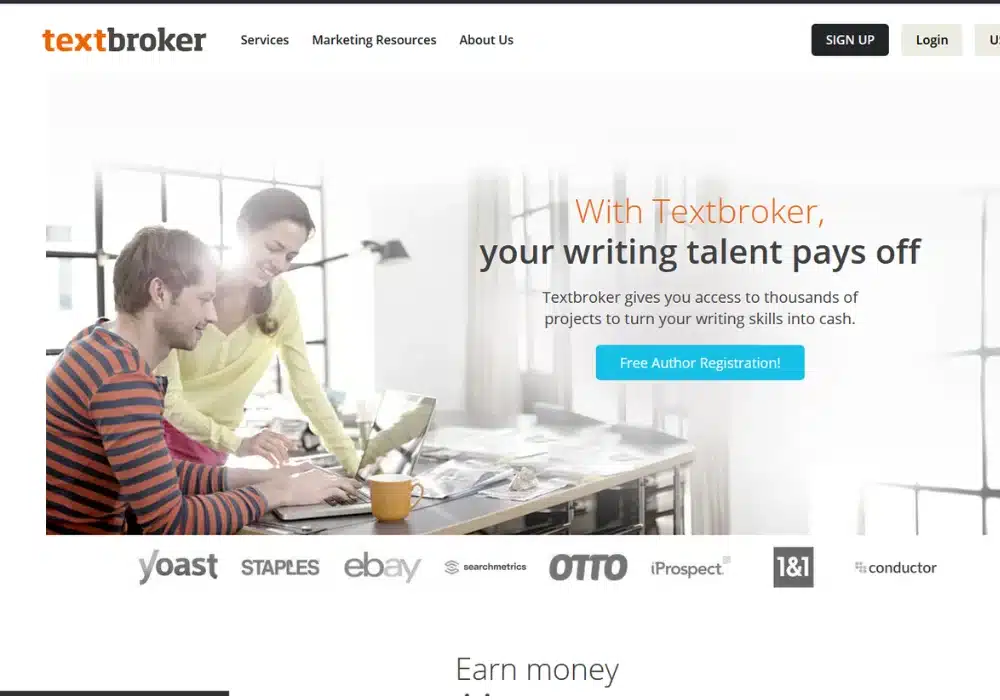
Textbroker is the easiest platform to start on — no bidding, no proposals. You take available writing orders at a rate based on your quality rating (2–5 stars). Pay starts low but climbs as your rating improves — top-rated writers earn up to $0.05 per word.
Not glamorous — but a reliable place to build confidence and stack early clips fast. It's the closest thing to a guaranteed first paycheck in freelance writing. Think of it as your training ground before moving to higher-paying platforms — a smart first step for any mom exploring ways to earn from home with no experience.
💰 What it pays: $0.007–$0.05 per word depending on star rating | $7–$50 per 1,000-word article as you climb the tiers.
4. Scripted
Scripted vets writers before letting them work — so once you're in, competition is lower and the clients are better. The platform connects accepted writers with businesses that need ongoing content. More selective than Textbroker or Fiverr, but the pay reflects that.
Worth applying once you have 3–5 strong writing samples ready. If you've been building your portfolio on Textbroker or through personal blog posts, Scripted is the natural next step toward higher-quality clients and steadier recurring work.
💰 What it pays: $0.10–$0.25+ per word | $100–$300 per article for accepted writers with a clear niche.
5. Contently

Contently is where big companies go to find experienced writers. You build a free portfolio on their platform — there are no job listings — it's a talent showcase where editors reach out when you match their needs. Assignments from Contently's clients tend to pay significantly more than marketplace rates.
Build your Contently portfolio even if you're not ready for it yet — the profile alone acts as a second home for your clips. Pair it with a strong personal brand strategy and editors will start finding you instead of the other way around.
💰 What it pays: $300–$1,000+ per article for brand assignments | Rates vary widely — Contently is known for above-market pay.
6. Skyword
Skyword connects vetted writers with large companies that have serious content budgets. Getting accepted takes time, but Skyword has paid out over $30 million to its freelancers so far. Apply, build your profile, and be patient.
Once you're in, the client quality is hard to beat. Corporate-level clients with long-term content needs mean steady recurring assignments — not one-off gigs. This is a long-term play, but one of the best-paying destinations for writers who build their credentials consistently.
💰 What it pays: $200–$600+ per article for vetted writers | Corporate clients with premium budgets and recurring work.
7. nDash
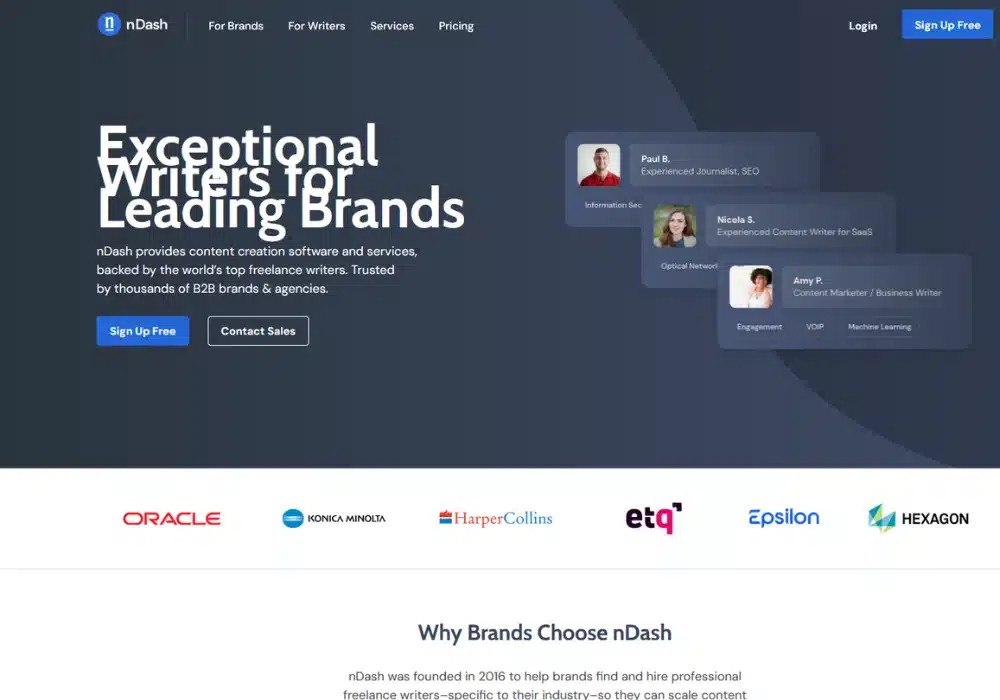
nDash flips the model — writers pitch story ideas directly to companies instead of waiting for job posts. Average assignments pay $175–$450, with many blog posts coming in around $150 per article. It rewards writers who can think strategically and pitch confidently.
If you have a clear niche and are comfortable leading with ideas — this is one of the highest-leverage platforms available to freelance writers. Your pitches become your portfolio. The better you get at ideation, the more you earn — a skill that carries over into every home-based business you build.
💰 What it pays: $150 per article on average | $175–$450 per assignment depending on scope and client.
8. Medium Partner Program and Substack
These aren't client platforms — they're publishing platforms where you write for an audience and earn from readers directly. Medium pays based on how much time paying members spend reading your work. Substack lets you build a paid email newsletter and keep the majority of what subscribers pay.
Both take time to build — but the income is yours, not tied to any one client. This is the most sustainable long-term writing income model and pairs naturally with the kind of passive income streams that compound over years rather than months.
💰 What it pays: Medium: $10–$200/month per post based on readership | Substack: unlimited — 100 paying subscribers at $10/month = $1,000/month.
👉 Quick decision guide: Want speed? Start with Textbroker or Fiverr. Higher pay? Go for Contently or Skyword. More control over your ideas? nDash. Building your own audience? Medium or Substack. Pick one and go.
Best Job Boards for Freelance Writers
Platforms connect you with ongoing clients — job boards surface one-off opportunities. Use both. To stand out: mirror the job post language, include one specific idea, and make it easy to say yes.
ProBlogger Job Board
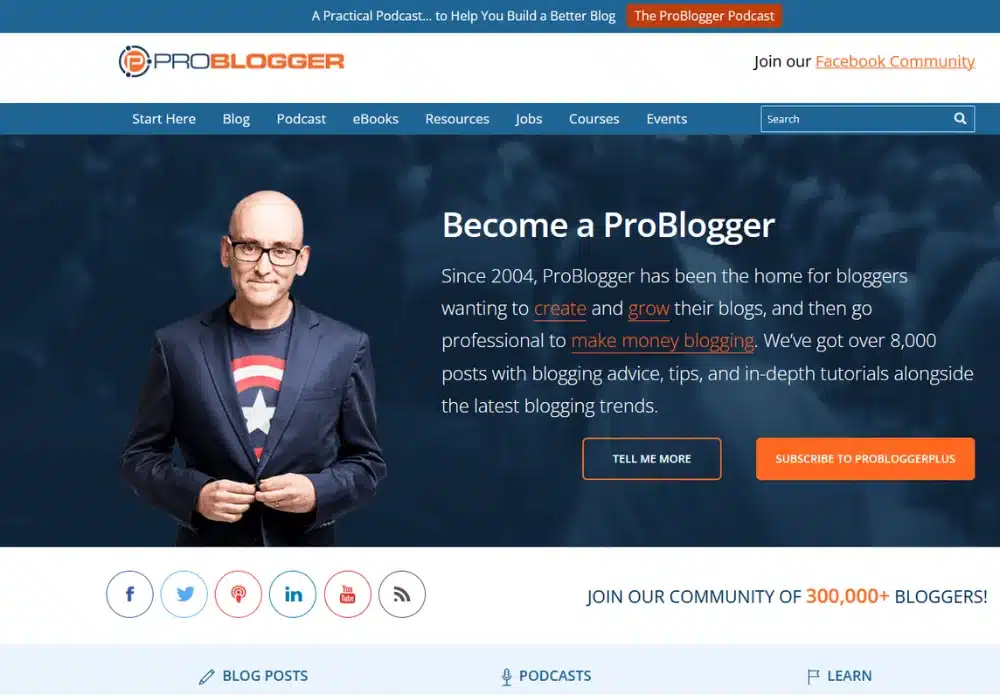
ProBlogger Job Board is one of the most trusted writing job boards online. Updated daily with paid opportunities — blogs, websites, magazines, and more. Free to apply. Businesses pay to post, so you never pay a fee to browse or submit.
Check it every morning — good listings fill fast. Bookmark it right now and make it part of your daily 20-minute writing business routine. ProBlogger is especially good for mom-niche writers since many parenting, lifestyle, and family content brands post here regularly.
✅ Best for: Writers who want a steady stream of fresh blogging gigs updated daily — completely free to use.
FlexJobs
FlexJobs manually vets every listing — zero scams, zero spam, zero wasted time sorting through garbage posts. At $59.95 per year it's worth it if you're serious. Filter by remote, freelance, and part-time to find what fits your life as a mom.
The vetting alone saves hours you'd otherwise waste on fake listings and low-effort scam posts. Think of the annual fee as your investment in a clean, curated job feed — the kind of thing that fits naturally into a wider home-based business strategy.
✅ Best for: Writers tired of scammy listings who want a clean, fully vetted job feed — worth every cent of the annual fee.
LinkedIn is massively underused by freelance writers — and that's exactly why it works. Publishers, agencies, and content managers post writing roles there constantly. Keep your profile updated with your niche and the words "freelance writer" somewhere visible. Share useful content in your niche regularly and editors will start finding you.
LinkedIn inbound leads are warmer than cold pitches — editors approach you already knowing what you do. Set up job alerts for "content writer" and "freelance writer" and check your matches daily. It's one of the best free tools for building the kind of sustainable freelance business that grows over time.
✅ Best for: Writers who want inbound leads without constantly pitching cold — show up consistently and the work finds you.
Indeed
Indeed is broad — but that means less competition than niche boards. Search "freelance writer," "content writer," or "remote copywriter" and filter by contract or part-time. Set up a job alert so new listings land in your inbox automatically.
The volume is high — you'll need to filter. But hidden inside the general listings are legitimate remote writing roles that don't appear on niche boards. Apply quickly when you find them; remote writing roles on Indeed fill faster than most people expect.
✅ Best for: Writers who want high volume and are happy to filter through options — set up job alerts and let the listings come to you.
MediaBistro
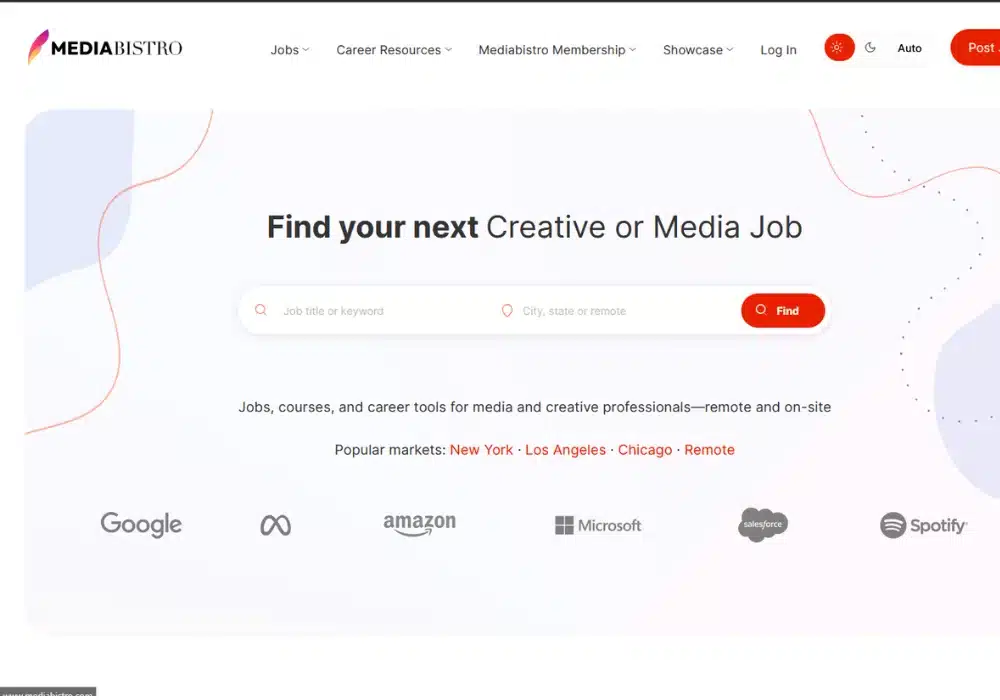
MediaBistro is the job board for media, publishing, and communications. You'll find listings from digital publishers, PR agencies, and big media companies — including remote and freelance positions. It's a smaller pool than Indeed but a far more targeted one.
If your niche is media, journalism, or established digital brands — MediaBistro is worth checking weekly. The listings here tend to come with better pay than generic job boards and attract writers who are serious about building a long-term media career from home.
✅ Best for: Writers targeting established media brands, digital publishers, and PR agencies with real content budgets.
Which Platform or Board Is Right for You?
Don't try every platform at once. Pick one place to start and one job board to check daily — that combination is enough to land your first paid writing gig.
⚡ Want to start earning this week?
Start on Textbroker. No pitching, no proposals — take an order and get paid. It's the fastest path from zero to first paycheck.
💼 Have a niche and a few samples?
Apply to Scripted or nDash. Both reward specialists — and the pay is significantly better than beginner platforms once you're accepted.
🌱 Want clients to come to you?
Build your Contently portfolio and show up on LinkedIn. Post niche content weekly and editors will find you — no cold pitching required.
💰 Ready for corporate-level pay?
Apply to Skyword and bookmark Contently. These are the high-pay destinations — you need experience to get in, but the wait is worth it.
📩 Hate scammy job listings?
FlexJobs is your answer. Every listing is manually vetted — no fake gigs, no wasted time. Worth the annual fee if you're serious.
✍️ Want income that's all yours?
Medium or Substack. Build an audience, write for readers — not clients. The income is slower but it's yours forever.
Compare every platform and job board at a glance:
| Platform / Board | Type | Avg. Pay | Best For |
|---|---|---|---|
| Textbroker | Platform | $7–$50/article | Complete beginners |
| Fiverr | Platform | $15–$500/gig | Clients find you |
| Upwork | Platform | $15–$150/hr | Serious clients |
| Scripted | Platform | $100–$300/article | Niche writers |
| nDash | Platform | $175–$450/piece | Strategic pitchers |
| Contently / Skyword | Platform | $300–$1,000+ | Experienced writers |
| ProBlogger / LinkedIn | Job Board | Varies | Daily fresh listings |
| FlexJobs | Job Board | Varies | Vetted scam-free listings |
The right platform isn't the one with the highest pay — it's the one where you'll actually show up and apply consistently. That's the real variable that determines your results.
How to Get Started — Step by Step
Every writer who earns from words started with zero clips, zero clients, and zero confidence. Here's the exact path — six steps, no fluff.
Step 1 — Pick a Niche
Writers who specialize earn more and win clients faster. Baby sleep, personal finance, home organization, parenting, food — pick the topic you know best and own it from day one.
Step 2 — Build a Portfolio
Write 3–5 posts in your niche and use them as samples. No blog yet? Write in Google Docs and share the links. Clippings.me and Contently both offer free portfolio pages.
Step 3 — Create Profiles on Two or Three Platforms
Don't spread yourself thin. Start with Upwork plus one other — fill out your bio completely, add portfolio links, and make it easy for clients to say yes.
Step 4 — Pitch and Apply Consistently
Browse job boards daily. Tailor every proposal — no templates. Include a quick specific idea to stand out: "I noticed your blog doesn't cover toddler sleep regressions — I'd love to write a practical guide for your audience."
Step 5 — Show Up on LinkedIn and Pinterest
Share niche knowledge — short tips, published articles, writing insights. LinkedIn puts you in front of editors. Pinterest works like a search engine — your posts can bring traffic and clients months after you publish them.
Step 6 — Start Small, Then Raise Your Rates
Take a few lower-paying gigs to build reviews and clips. After 3–5 strong samples or repeat clients, increase your pricing — even if it feels uncomfortable. Every writer who earns well once felt the same way.
Resources Worth Bookmarking
These three resources have helped more beginner writers land their first clients than almost anything else. Bookmark them before you close this tab.
Freelance Writers Den — Carol Tice's paid community
Training, coaching, job leads, and a forum of writers who help each other. Best for writers who are stuck and need real guidance from people doing this for a living.
Make a Living Writing — Carol Tice's free blog
Hundreds of free articles on finding clients, raising rates, and building a real freelance career. Best for ongoing learning — bookmark it and read one post a day.
Get Paid to Write for Blogs — Course by Cat Alford
Practical, beginner-friendly, and consistently recommended for landing first paid blogging gigs. Best for moms who want a structured path to their first clients fast.
The Honest Version
This takes work. You won't earn $500 per article in week one — and anyone telling you otherwise is leaving something out.
It works — not overnight, but faster than most expect if you stay consistent. Writers who pick a niche, build a portfolio, and show up regularly build real income from this. Some earn $100 per article within a few months. Others turn it into a full-time career.
Your experience as a mom — routines, budgeting, products you trust, lessons learned the hard way — is a niche someone will pay for. Flexible income on your terms is within reach.
Start with one platform. Write one sample. Send one pitch. That's the whole plan for week one.
Pick one platform now — before you close this tab. Then drop it in the comments.
FAQs
Can I really get paid to write with no experience?
Yes — Textbroker and Fiverr both accept new writers with no prior experience. You won't earn top rates on day one, but you will earn. The key is to build clips and reviews early, then move to higher-paying platforms once you have proof of your work.
How much can a beginner freelance writer earn per month?
Most beginners earn $100–$500 in their first month depending on how many gigs they apply to and which platform they use. Within 3–6 months of consistent effort, $500–$2,000/month is very achievable. Writers who niche down and build repeat clients can reach $3,000–$5,000/month within a year.
What is the best freelance writing platform for stay-at-home moms?
For complete beginners: Textbroker. For quick client wins: Fiverr. For serious professional growth: Upwork. For the highest pay once established: Contently or Skyword. Most moms start on Textbroker or Fiverr and move to Upwork or Scripted within 3–6 months as they build confidence and clips.
Do I need a blog or website to get paid to write?
No. A Google Doc with 3–5 writing samples is enough to get started. Free portfolio tools like Clippings.me and Contently let you build a professional-looking portfolio without a website. A website helps long-term but is absolutely not required to land your first paid writing gig.
How do I find my first writing client fast?
Sign up on Textbroker today and take an available order — that's your fastest path to a first paycheck. In parallel, create a Fiverr gig in your niche and set up job alerts on ProBlogger and Indeed. Apply to at least three listings every day for two weeks. Most writers land their first client within 10–14 days of consistent action.
What niche should I write in as a stay-at-home mom?
Write in the niche you already live. Parenting, baby sleep, toddler activities, family budgeting, meal planning, home organization, and personal finance are all high-demand content niches with a constant flow of clients looking for experienced voices. Your lived experience as a mom is your competitive advantage — use it.
You Might Also Love
→ 19 Beginner Side Hustle Ideas You Can Start This Week
→ 11 Real Ways Moms Can Earn Money Without a Traditional Job
→ 29 Small Business Ideas For Women That Actually Make Money