Most blogs never make a dollar — not because blogging is dead, but because beginners follow advice that never had a chance.
They pick random topics, publish a few posts, wait for traffic, and quit six months later.
If you’re a stay-at-home mom who wants real income from home — not surveys, not MLMs — blogging is one of the few business models that scales without trading time for money. Build it once. Get paid again and again.
I started this blog with zero experience and zero audience. Twelve months later I was making over $1,500/month — driven by one affiliate post, a few Pinterest pins, and a 17-page eBook written in a weekend.
Not a brag — proof this works when you follow the right steps, in the right order.
The bloggers earning $3,000, $5,000, even $10,000/month aren’t unicorns. They followed a system — pick a niche → drive traffic → capture emails → monetize. And that order is everything.
That’s exactly what this guide gives you.
Here’s what we’ll cover:
- Pick a niche that pays — not just attracts readers
- Set up your blog the right way — without the tech headache
- Create content that ranks on Google and travels on Pinterest — so readers find you
- Build an email list from day one — so you own your audience forever
- Monetize with ads, affiliates, and your own products — so income streams stack
- Scale past $1,000/month — so blogging becomes a real business
No fluff. No guesswork. Just steps that work.
If you’re serious about turning this into real income — start at Step 1 and don’t skip ahead. This only works in order.

Table of Contents
1. Choose a Profitable Blogging Niche
2. Start Your Blog — Beginner Setup Guide
3. Create Blog Content That Gets Traffic
4. How to Get Traffic — Pinterest + SEO
5. Build Your Email List Fast
6. How to Monetize Your Blog
7. How to Scale to $1,000+/Month
8. Real Examples of Blogging Income
9. Common Blogging Mistakes to Avoid
10. Frequently Asked Questions
Step 1: Choose a Profitable Blogging Niche
Here’s the truth most blogging guides won’t tell you — your niche decides whether you make money or not.
Pick wrong and you’ll write for no readers, promote to no buyers, and watch traffic flatline.
Pick the right one and every post you write has a real chance of earning.
And here’s what most people miss — your niche doesn’t just affect your traffic. It determines how easily you monetize that traffic. A personal finance blog and a general lifestyle blog can have the same pageviews — and completely different income levels.
What Is a Niche — and Why Does It Matter?
A niche is the specific topic your blog focuses on. Specific is everything.
“Lifestyle” is not a niche. “Making money from home as a stay-at-home mom” — that’s a niche. The tighter your focus, the faster you build an audience that actually trusts you.
Pro Tip: Google rewards topical authority. A blog that covers one topic deeply almost always outranks a blog that covers ten topics loosely.
What Makes a Niche Profitable?
Not every topic you love will make you money. A profitable niche hits all three of these marks:
- People search for it
- Products exist to promote
- You can write about it consistently
Here’s a real contrast — “Budget travel tips” attracts browsers. “Travel Europe for under $1,000” attracts buyers.
The Best Niches for Making Money in 2026:
Here’s where money already flows:
| Niche | Why It Works |
|---|---|
| Personal finance | Huge audience, high-paying affiliates |
| Health & wellness | Evergreen demand, tons of products |
| Food & recipes | Pinterest goldmine, strong ad revenue |
| Parenting | Emotional connection, loyal community |
| Make money online | High intent, strong affiliate offers |
| Beauty & lifestyle | Visual content, brand sponsorships |
How to Validate Your Niche Before You Commit:
Don’t guess — validate.
- Search Pinterest — are pins getting thousands of saves?
- Search Google — are blogs ranking with real traffic?
- Check Amazon and ShareASale — are there products to promote?
- Look at existing blogs — are they monetized? That’s your green light.
Can’t find products, traffic, or active blogs in 15 minutes? Move on.
If other blogs are already making money in your space — that’s not a red flag. That’s proof the market exists.
Still Stuck on Your Niche?
Ask yourself these three questions:
- What do people ask me for advice about?
- What problems have I personally solved that others still struggle with?
- What could I write 50 blog posts about without running out of ideas?
The sweet spot is where your knowledge meets real market demand. Find that — and you’ve got your niche.
Once your niche is locked — everything else gets easier. Next — get your blog live.
Step 2: Start Your Blog — Beginner Setup Guide
Most beginners spend weeks overthinking this step. Don’t overthink it.
You’ll get your blog live in under 60 minutes — even if this is your first time touching WordPress. You won’t break anything.
Here’s exactly what you need.
What You Need to Start a Blog:
Three things.
- A domain name — your blog’s address on the internet
- Web hosting — where your blog lives online
- A blogging platform — what you use to build and manage your blog
Step 2a: Choose Your Blogging Platform
WordPress.org is the answer. Full stop.
It powers over 43% of all websites on the internet. It’s flexible, scalable, and built for bloggers who want to grow and earn.
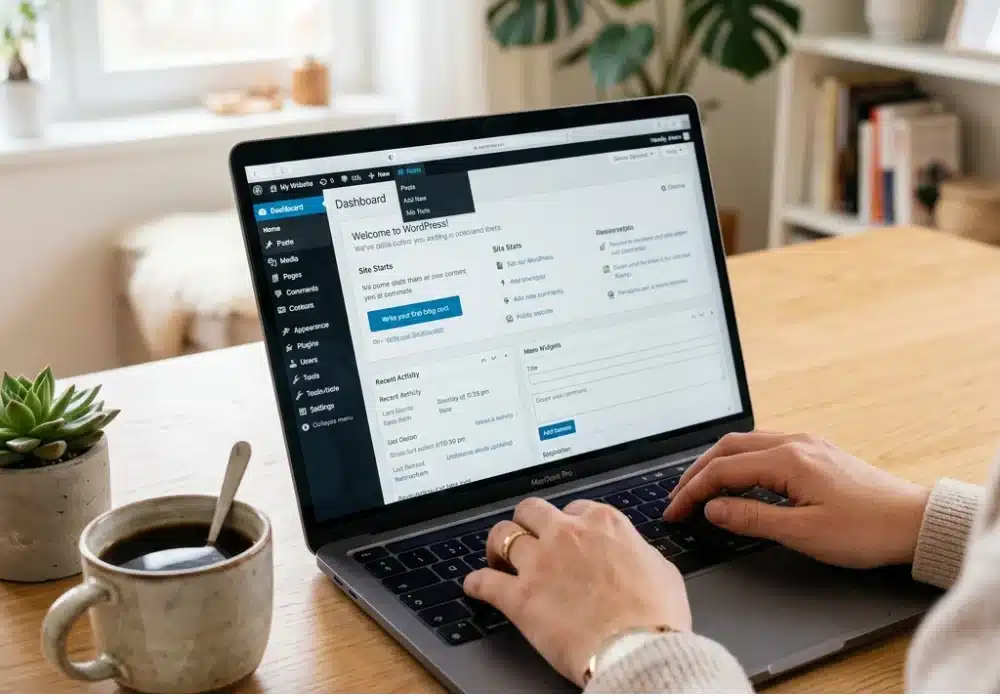
Yes, it looks intimidating at first. You won’t break anything. Every setting you touch can be undone — and their support documentation covers every question a beginner could ask.
Don’t confuse it with WordPress.com — that’s the free, watered-down version with major limitations. You want WordPress.org.
Pro Tip: Avoid free blogging platforms like Blogger or Wix if you’re serious about making money. You don’t own your content on those platforms — and that’s a risk you don’t want to take.
Step 2b: Pick Your Domain Name
Your domain name is your blog’s identity online. Choose wisely — but don’t obsess over it.
A good domain name is:
- Short and easy to spell
- Relevant to your niche
- Ends in .com — always
- No numbers, hyphens, or weird spellings
Domains typically cost ~$10-$15/year through Namecheap or GoDaddy. Some hosting providers throw one in free for the first year.
Step 2c: Get Your Hosting
Hosting is what keeps your blog live and accessible 24/7. Here are three solid options for beginners:
| Host | Best For | Starting Price |
|---|---|---|
| Bluehost | Total beginners | ~$2.95/month |
| SiteGround | Speed & support | ~$3.99/month |
| Hostinger | Budget-friendly | ~$2.49/month |

Bluehost is the easiest starting point — they’ll install WordPress for you in one click and their support team is available around the clock.
Pro Tip: Don’t pay for the most expensive hosting plan right away. Start with the basic plan and upgrade as your traffic grows.
Step 2d: Set Up Your Blog
Once your hosting is live and WordPress is installed, here’s what to do next:
- Install a clean, fast theme — Astra and Kadence are both free, lightweight, and beginner-friendly
- Install your essential plugins — here’s the priority order:
| Plugin | What It Does | Priority |
|---|---|---|
| Yoast SEO | Optimizes your posts for Google | Essential |
| Akismet | Blocks spam comments | Essential |
| MonsterInsights | Connects Google Analytics | Essential |
| WP Rocket | Speeds up your site | Recommended |
| Smush | Compresses your images | Recommended |
If you only install three to start — make it Yoast, Akismet, and MonsterInsights. Add the rest once your blog is live and running.
- Create these essential pages — About, Contact, Privacy Policy, and Disclaimer
- Set up Google Analytics — track your traffic from day one
- Set up Google Search Console — this tells you exactly how Google sees your blog
How Much Does It Cost to Start a Blog?
Here’s the honest breakdown:
| Item | Cost |
|---|---|
| Domain name | ~$10-$15/year |
| Basic hosting | ~$35-$50/year |
| Theme | Free (Astra or Kadence) |
| Essential plugins | Free to start |
| Email platform | Free (MailerLite) |
| Total first year | ~$50-$65 |
That’s less than one grocery run. And here’s the perspective shift that matters — you’re not spending ~$60. You’re investing ~$60 to build an asset that can realistically generate $1,000+/month. That’s a return most investments can’t touch.
Your blog doesn’t need to be perfect on day one. Get it live — then publish your first post.
Step 3: Create Blog Content That Gets Traffic
Posts nobody finds. No traffic. No clicks. No income.
That’s what happens when bloggers write what they want instead of what people search for. Hours spent crafting posts that sit there, collecting nothing.
The fix isn’t more content it’s smarter content.
Start With Keyword Research
Before you write a single word, find out what your audience is already searching for. That’s keyword research the foundation of traffic.
Start with these free tools:
| Tool | How to Use It |
|---|---|
| Google Search | Type your topic and study the autocomplete suggestions |
| Pinterest Search | Search your niche and look at what pins get the most saves |
| Ubersuggest | Free keyword ideas with search volume data |

Pro Tip: Target long-tail keywords phrases with 4+ words that are super specific. Search “budget planner” and you’ll see “budget planner for beginners printable” in the autocomplete. That’s not just a keyword that’s a ready-made post idea with a built-in audience already searching for it.
What Makes a Blog Post Actually Rank?
Google ranks content that best answers a searcher’s question. Here’s the edge:
Most posts stop at informative. The ones that rank go one step further they make the reader act.
Information tells people what to do. Great blog posts show them exactly how with examples, steps, and real context they can use immediately.
Here’s the content formula that works:
| Element | What It Does |
|---|---|
| Strong headline | Grabs attention |
| Keyword in first 100 words | Signals topic to Google |
| Clear intro | Hooks the reader in the first 3 lines |
| Actionable steps | Gives readers something to do immediately |
| Real examples | Builds trust and makes ideas concrete |
| Internal links | Keeps readers on your site longer |
| Strong conclusion | Wraps up and drives next action |
How to Structure a Blog Post That Ranks:
Every post you write should follow this structure:
- H1 headline your primary keyword goes here
- Intro hook, credibility, outcome promise
- H2 subheadings break your content into clear sections
- Body content actionable, specific, example-driven
- Images and visuals break up text and improve engagement
- Internal links point readers to related posts on your blog
- Conclusion recap and call to action
- FAQs answer common questions, capture extra keyword traffic
How Long Should Your Blog Posts Be?
Answer the question fully without losing attention.
| Post Type | Ideal Word Count |
|---|---|
| How-to guide | 1,500 – 2,500 words |
| Listicle | 1,200 – 2,000 words |
| Product review | 1,000 – 1,500 words |
| Comparison post | 1,500 – 2,500 words |
| Step-by-step guide | 2,000 – 3,500 words |
How Often Should You Publish?
Consistency beats volume every time.
- Month 1-2 1 post per week, focus on quality
- Month 3-6 2 posts per week as you find your rhythm
- Month 6+ 3-4 posts per week as you scale
And if 2 posts per week feels like too much right now stay at 1. Consistency beats ambition. One solid post per week published without fail will always outperform three posts in a burst followed by two weeks of silence.
Pro Tip: Don’t publish 10 mediocre posts. Publish 4 genuinely helpful ones. Google rewards depth and quality not volume for the sake of it.
Your First 10 Posts Write These:
These post types consistently rank, get shared on Pinterest, and convert readers into subscribers:
- A beginner’s guide to your main topic
- A step-by-step how-to post
- A listicle “X Ways to Do Y”
- A product or tool review
- A personal story tied to your niche
- A common mistake post “X Mistakes to Avoid”
- A comparison post “X vs Y Which Is Better?”
- A resource roundup “Best Tools for X”
- An income report or case study
- A FAQ post answering the most common questions in your niche
The One Rule That Overrides Everything:
Write for your reader not for Google, not for yourself.
Every post should leave your reader with something genuinely useful. Something they can act on today. That’s what gets ranked and paid.
Step 4: How to Get Traffic Pinterest + SEO
No traffic means no clicks, no emails, no sales. Without readers, your blog isn’t a business it’s a diary.
The good news you don’t need to be everywhere. Two channels done well will change your blog’s trajectory completely.
The Best Traffic Sources for Beginner Bloggers:
| Traffic Source | Best For | Time to See Results |
|---|---|---|
| Stay-at-home moms, lifestyle, finance | 1-3 months | |
| Google SEO | Long-term organic traffic | 6-12 months |
| Facebook Groups | Community building, quick wins | Immediate |
| Brand awareness, visual niches | 2-4 months | |
| Email list | Repeat traffic, highest conversion | Ongoing |
Focus on Pinterest and SEO first. Master those two then expand.
Pinterest Your #1 Traffic Source Right Now
If your audience is visual especially moms, lifestyle, food, or finance Pinterest is non-negotiable.
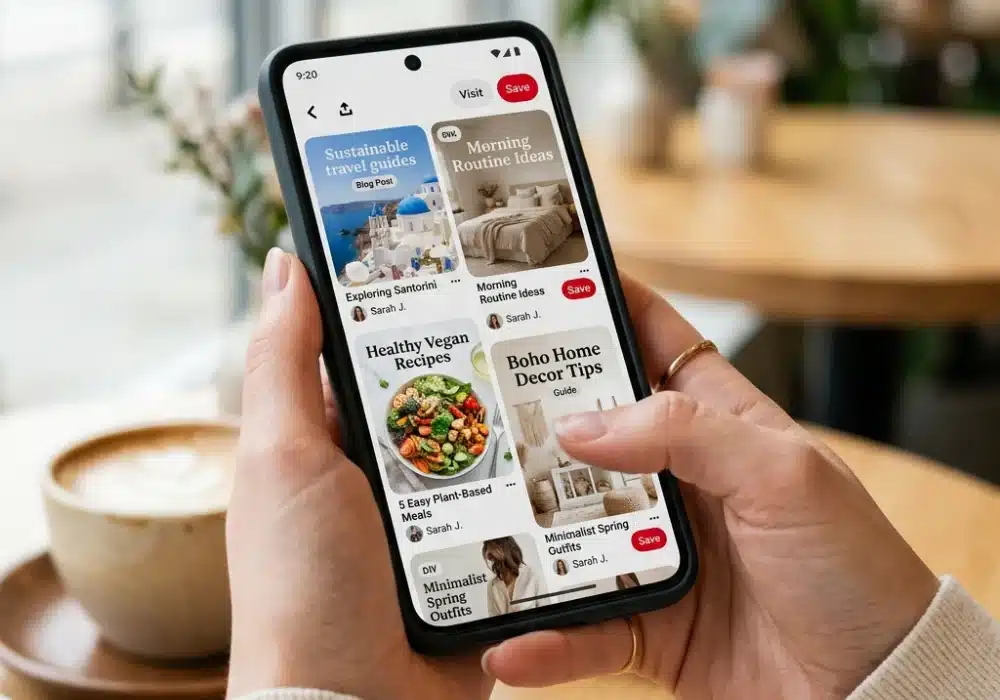
Pinterest isn’t a social media platform it’s a visual search engine. People go there ready to act. That’s exactly what your blog provides.
And here’s what makes Pinterest different from Google you can get traffic in weeks, not months. A single pin can drive thousands of visitors to a brand new blog with zero domain authority.
Here’s How to Use Pinterest the Right Way:
- Create a Pinterest business account free, gives you access to analytics
- Optimize your profile use your primary keyword in your name and bio
- Create click-worthy pins use Canva to design vertical pins (1000x1500px)
- Write keyword-rich descriptions treat every description like a mini SEO exercise
- Pin consistently aim for 5-10 fresh pins per day
- Join group boards find active boards in your niche and request to join
- Use Tailwind schedule pins automatically and reach more people without the daily grind

Pro Tip: Create 5-10 different pin designs for every blog post. Different images appeal to different people and more pins mean more chances to go viral.
What Makes a Pin Go Viral:
- Vertical format 1000x1500px performs best
- Bold, readable text your headline should be readable on a small screen
- High contrast colors bright backgrounds with dark text or vice versa
- A clear promise tell people exactly what they’ll get when they click
- Your blog’s branding consistent colors and fonts build recognition over time
SEO Your Long-Term Traffic Machine
Pinterest gets you traffic fast. SEO keeps it coming for years on autopilot.
You don’t need to master SEO. You just need to be slightly better than the posts already ranking for your target keyword. That’s the whole game.
SEO stands for Search Engine Optimization. It’s the process of making your blog posts rank higher in Google so people find you organically without spending a cent on ads.
It takes longer than Pinterest. But the payoff is massive a single well-ranked post can bring in thousands of visitors every month, month after month, year after year.
SEO Basics Every Beginner Needs to Know:
| SEO Element | What to Do |
|---|---|
| Primary keyword | Use in your H1, first 100 words, and 2-3 H2s |
| Long-tail keywords | Target specific 4-6 word phrases with lower competition |
| Meta description | Write a compelling 155-character summary with your keyword |
| Internal links | Link to 5-8 related posts within every article |
| External links | Link to 2-3 authoritative sources |
| Image alt text | Add your target keyword naturally to every image |
| Post length | Aim for 1,500-2,500 words for most posts |
Pro Tip: Go after long-tail keywords when you’re starting out. “How to make money blogging for beginners as a stay-at-home mom” is easier to rank for than “make money blogging” and the person searching it is much more likely to read your entire post and take action.
How to Find Keywords You Can Actually Rank For:
- Type your topic into Google and study the “People Also Ask” section
- Scroll to the bottom of Google and look at the “Related Searches”
- Use Ubersuggest filter for keywords with low SEO difficulty
- Study what your competitors rank for and write better versions of those posts
Link Building The Secret Weapon Most Beginners Ignore:
Google ranks pages higher when other websites link to them. Those are called backlinks and they’re one of the strongest ranking signals Google uses.
Here’s how to start building backlinks as a beginner:
- Guest post on other blogs in your niche most will include a link back to your site
- Get listed in blogging resource roundups
- Create linkable assets original statistics, infographics, or research posts that others want to reference
- Reach out to bloggers who’ve linked to similar content and pitch your post as an alternative
A Simple Weekly Traffic Routine:
Consistency compounds. Here’s a repeatable weekly system:
- Publish one new blog post optimized for a long-tail keyword
- Create 5-10 Pinterest pins for that post using Canva
- Share the post in 2-3 relevant Facebook groups
- Update one older post with fresher content and better internal links
- Check Google Search Console for keywords you’re close to ranking for and strengthen those posts
Stay consistent. Results compound.
Step 5: Build Your Email List Fast
Your email list is your most valuable asset.
Not your traffic. Not your Pinterest followers. Not your Google rankings.
Your email list.
Before you read another word — open a new tab, sign up for MailerLite, and create a blank list. Take five minutes to set it up — then come back.
Done? Good. Here’s why that five minutes matters more than you think.
Why Your Email List Beats Every Other Traffic Source:
| Traffic Source | Ownership | Average Conversion Rate |
|---|---|---|
| Email list | Yes | 2-5% |
| Google traffic | No | 1-3% |
| No | 0.5-2% | |
| Social media | No | 0.5-1% |
Social platforms change their algorithms overnight. Google updates can wipe out your rankings in a single day. But your email list? Nobody can take that away from you. Ever.
Email subscribers chose to hear from you. They raised their hand and said — yes, I want more of this. That’s a completely different level of trust than a random Google visitor.
And that trust converts. Email subscribers buy more, click more, and share more than any other audience you’ll build.
Choose Your Email Platform:
Start free. You don’t need to spend money on this yet.
| Platform | Free Plan | Best For |
|---|---|---|
| MailerLite | Up to 1,000 subscribers | Beginners — easiest to use |
| ConvertKit | Up to 1,000 subscribers | Bloggers who want automation |
| Flodesk | No free plan — flat $38/month | Beautiful emails, unlimited subscribers |

MailerLite is the best starting point. Free, beginner-friendly, and has everything you need to get your first 1,000 subscribers without spending a cent.
Give People a Real Reason to Subscribe:
People don’t subscribe without a reason. You need a lead magnet — a freebie so genuinely useful your reader would almost pay for it.
Here are lead magnet ideas that work brilliantly in the money and lifestyle niche:
- A free checklist — “10 Steps to Start Your Blog Today” — include a hosting discount link and theme setup guide so it’s immediately actionable, not just a list
- A mini e-book — “How I Made My First $500 Blogging” — walk through exactly what worked, with real numbers
- A resource list — “My Favorite Free Tools for New Bloggers” — curated and specific, not generic
- A free email course — “5 Days to Your First Blog Post” — one actionable lesson per day, delivered automatically
- A printable worksheet — budget tracker, income goal planner, content calendar — something they’ll use every week
Pro Tip: The best lead magnets solve one specific problem in under 10 minutes. Don’t create a 50-page e-book. Create a one-page checklist that saves someone an hour of research — and they’ll hand over their email without hesitation.
Where to Put Your Opt-In Forms:
Most bloggers stick one form at the bottom of their posts and wonder why nobody subscribes. Don’t make that mistake.
Put your opt-in forms everywhere your reader’s attention goes:
- Homepage — front and center, above the fold
- Pop-up — set it to appear after 30-45 seconds on page
- End of every blog post — when they’ve finished reading, they’re warm
- Inside your blog posts — mention your freebie naturally mid-content
- Pinterest — create pins that link directly to your opt-in landing page
- Social media bios — every platform, every time
How to Grow Your List Fast — Even With a New Blog:
Getting your first 100 subscribers feels hard. Here’s how to get there faster:
- Create a dedicated landing page for your lead magnet — one page, one purpose, no distractions
- Pin your landing page on Pinterest — create 5-10 pins pointing directly to it
- Mention your freebie inside every relevant blog post — naturally, not forcefully
- Share your lead magnet in Facebook groups — where your target audience already hangs out
- Add a content upgrade to your most popular posts — a bonus resource hyper-specific to that post
Pro Tip: A content upgrade converts 5-10x better than a generic lead magnet. If your post is about Pinterest strategy, offer a free Pinterest pin template as the upgrade. Hyper-relevant — hyper-effective.
What to Send Your Subscribers:
Getting subscribers is step one. Keeping them engaged is what turns your list into an income stream.
| Email Type | Frequency | Purpose |
|---|---|---|
| New post notification | Every time you publish | Drive traffic back to your blog |
| Exclusive tip or insight | Weekly | Build trust and authority |
| Personal story | Monthly | Deepen connection with your audience |
| Product recommendation | Every 2-3 weeks | Generate affiliate and product income |
One email per week is plenty to start. Stay consistent — and your list becomes your most reliable income driver over time.
A Realistic Email List Growth Timeline:
| Timeframe | Realistic Subscriber Count |
|---|---|
| Month 1-2 | 0-50 subscribers |
| Month 3-4 | 50-200 subscribers |
| Month 5-6 | 200-500 subscribers |
| Month 6-12 | 500-2,000 subscribers |
| Year 2+ | 2,000-10,000+ subscribers |
Those numbers might look small early on. But a list of 500 engaged subscribers who trust you is worth more than 10,000 cold social media followers who don’t know your name.
Build the list. Protect it. Nurture it. It’ll pay you back for years.
Step 6: How to Monetize Your Blog
This is the part you’ve been waiting for. Let’s talk about actually making money.
And before we get into the income streams — here’s the sequencing that matters. Most bloggers get this wrong by trying to do everything at once.
Don’t.
Start with affiliates. Layer in ads. Then products. Then sponsors. In that order. Each stage builds on the one before it — and jumping ahead skips the foundation that makes each stream actually work.
The Four Main Income Streams at a Glance:
| Income Stream | Effort Level | Income Potential | Best Time to Start |
|---|---|---|---|
| Affiliate marketing | Medium | $1,000-$10,000+/month | Day one |
| Display ads | Low | $500-$5,000+/month | 10+ posts live |
| Digital products | High | Unlimited | 1,000+ monthly visitors |
| Sponsored posts | Medium | $200-$5,000/post | 5,000+ monthly visitors |
Income Stream 1: Affiliate Marketing
Affiliate marketing is where most beginner bloggers make their first real money — and for good reason.
Here’s how it works — you recommend a product or service, someone buys through your unique link, and you earn a commission. You don’t create the product, handle customer service, or deal with shipping. You send the traffic — and collect the cut.
The best affiliate networks for beginner bloggers:
| Network | Best For | Commission Rate |
|---|---|---|
| Amazon Associates | Physical products, wide range | 1-10% |
| ShareASale | Bloggers, lifestyle, finance | Varies by brand |
| CJ Affiliate | Big brands, reliable payments | Varies by brand |
| Impact | Major brands — Canva, Airbnb | Varies by brand |
| LTK | Lifestyle, fashion, home | 5-20% |

Tips for affiliate marketing that actually converts:
- Only recommend products you’ve personally used or genuinely trust
- Write honest reviews — include pros and cons, not just praise
- Add affiliate links naturally inside your how-to posts — not forced
- Create dedicated “best of” roundup posts — these convert extremely well
- Always disclose your affiliate relationships — it’s required by law and builds trust
And here’s the psychology most bloggers miss — people don’t click links. They click solutions. Every affiliate link you place should feel like the natural next step — not a sales pitch. Frame it as: “Here’s the tool I used to do exactly what we just talked about.” That’s the difference between a link that gets ignored and one that converts.
Pro Tip: Don’t sign up for every affiliate program you find. Pick 3-5 products your audience genuinely needs — and promote those consistently. Depth beats breadth every time.
Income Stream 2: Display Ads
Display ads are the most passive income stream available to bloggers. You place ads on your blog, readers see them, and you get paid — whether they click or not.
The catch — you need traffic before ads pay well. And your niche matters more than most people realize. Finance blogs earn significantly more per visitor than general lifestyle blogs — the RPM difference can be 3-5x for the same traffic volume. Choose a high-value niche and your ad income multiplies without any extra work.
Here’s the ad network progression most successful bloggers follow:
| Ad Network | Traffic Requirement | Average RPM |
|---|---|---|
| Google AdSense | None | $2-$5 |
| Mediavine | 50,000 sessions/month | $15-$35 |
| Raptive (AdThrive) | 100,000 pageviews/month | $20-$50 |
Start with Google AdSense once you have 10+ posts live. It won’t make you rich early on — but it adds a passive layer while you build toward Mediavine.
Getting accepted to Mediavine is a major milestone. At 50,000 sessions per month, bloggers in the personal finance and lifestyle niche regularly earn $1,500-$3,000/month from ads alone.
Pro Tip: Don’t plaster your blog with ads from day one. Too many ads slow your site down, hurt your user experience, and can actually reduce your overall income. Start light and scale as your traffic grows.
Income Stream 3: Digital Products
Digital products are the highest margin income stream available to bloggers. You create something once — and sell it forever.
No inventory. No shipping. No customer service headaches. Just pure profit.
And here’s the thing that stops most beginners — they think their first product needs to be perfect. It doesn’t. It needs to be useful. A simple, focused product that solves one real problem for your audience will outsell a polished, overcomplicated one every single time.
Digital product ideas that work brilliantly in the money and lifestyle niche:
| Product | Price Range | Effort to Create |
|---|---|---|
| E-book | $7-$47 | Medium |
| Printable templates | $5-$27 | Low |
| Mini course | $27-$197 | High |
| Resource bundle | $17-$67 | Medium |
| Membership community | $9-$47/month | High |
Here’s the math that puts this in perspective — a $27 e-book sold to just 100 people generates $2,700. That’s real money from something you wrote once on a weekend.
Start simple. Create a $17-$27 printable or e-book that solves one specific problem your audience has. Launch it to your email list first — then add it to relevant blog posts.
Pro Tip: Survey your email list before you create your first product. Ask them — “what’s your biggest struggle with X?” Their answers tell you exactly what to create. No guesswork, no wasted effort.
Income Stream 4: Sponsored Posts
Brands pay bloggers to write about their products and services. Rates vary — anywhere from $200 to $5,000+ per post depending on your traffic, niche, and audience engagement.
You don’t need millions of pageviews to land sponsored deals. Brands care more about audience trust and niche relevance than raw numbers.
How to land your first sponsored post:
- Build a media kit — a one-page document showing your blog stats, audience demographics, and past results
- Reach out to brands you already use — a personal connection to the product makes your pitch stronger
- Join influencer networks — Cooperatize, IZEA, and Clever are solid starting points for bloggers
- Be selective — only partner with brands your audience would genuinely benefit from. One bad recommendation destroys trust you spent months building.
Pro Tip: Always disclose sponsored content clearly — both legally and ethically. Your readers trust you. That trust is your most valuable business asset — protect it at all costs.
When Should You Start Monetizing?
Earlier than you think. Here’s the sequencing one more time — burned into your memory:
| Milestone | When to Hit It |
|---|---|
| Add affiliate links | From post one |
| Apply for Google AdSense | 10+ posts live |
| Launch first digital product | 1,000+ monthly visitors |
| Pitch sponsors | 5,000+ monthly visitors |
| Apply for Mediavine | 50,000+ monthly sessions |
Affiliates first. Always. Everything else stacks on top.
Step 7: How to Scale to $1,000+/Month
Getting to your first $500/month is a milestone worth celebrating. But scaling past it? That’s where the real transformation happens.
This is where blogging stops feeling like a side hustle and starts feeling like a business.
And the shift doesn’t happen because you work harder. It happens when your systems start working without you — even on days you don’t publish, even on days you’re busy with the kids, even on days you step away completely. That’s the turning point. That’s what you’re building toward.
The Four Levers of Blog Income Growth:
| Lever | What It Means | Impact |
|---|---|---|
| More traffic | More readers = more revenue across every stream | High |
| Better monetization | Upgrading to higher-paying income streams | High |
| Higher conversion rates | More clicks, more sales from existing traffic | Medium |
| More content | More posts = more entry points into your blog | Medium |
Pull all four levers consistently — and your income compounds fast.
Lever 1: Batch Your Content Production
Stop writing one post at a time. That approach keeps you stuck in reactive mode — always behind, always catching up.
Batching is the answer. Here’s a simple weekly content system that works:
| Day | Task |
|---|---|
| Monday | Keyword research and outlining new posts |
| Tuesday | Writing — first drafts only |
| Wednesday | Writing — finish drafts |
| Thursday | Editing, formatting, and adding images |
| Friday | Scheduling posts and creating Pinterest pins |
Three to four posts written, formatted, and scheduled in one focused week. That’s how you build content momentum without burning out.
Pro Tip: Write your first draft without editing. Get the ideas out — then go back and tighten. Editing while writing is the fastest way to kill your momentum and waste hours.
Lever 2: Repurpose Everything You Create
Every blog post you write is raw material for five other pieces of content. Stop letting that value sit on the table.
Here’s how one blog post becomes a content machine:
| Original Content | Repurposed Into |
|---|---|
| Blog post | 5-10 Pinterest pins |
| Blog post | Facebook group post |
| Blog post | Email newsletter |
| Blog post | Short YouTube video |
| Series of posts | Paid e-book or mini course |
Work smarter — not harder. One piece of content, multiple traffic channels, multiplied results.
Lever 3: Upgrade Your Monetization
Once your traffic hits consistent numbers, it’s time to swap out lower-paying income streams for higher-paying ones.
Here’s the upgrade path most successful bloggers follow:
- Replace Google AdSense with Mediavine — RPM jumps from $3-$5 to $15-$35 overnight
- Join higher-paying affiliate programs — ditch low-commission programs for ones paying 20-50%
- Launch your first paid digital product — even a $27 e-book changes your income ceiling dramatically
- Add a coaching or consulting offer — charge $97-$297/hour for one-on-one help in your niche
- Build a membership community — recurring monthly income is the holy grail of blogging
Each upgrade multiplies your income without multiplying your workload. That’s leverage.
Pro Tip: Calculate your income per 1,000 visitors — also called RPM. If you’re earning $10 per 1,000 visitors, your goal is to get that number to $30, then $50, then $100. Better monetization on the same traffic is pure profit.
Lever 4: Outsource the Right Tasks
Your time has a dollar value. Once you’re earning, reinvest a portion back into your blog by outsourcing the tasks that drain your time without requiring your unique expertise.
And here’s the ROI framing that makes this decision easy — if a virtual assistant costs $100/month and frees up 10 hours of your time, that’s $10/hour for your time back. Your writing, your strategy, your monetization decisions — those are worth far more than $10/hour. The VA pays for itself before the first month is done.
Tasks worth outsourcing first:
| Task | Time Saved Per Week | Approximate Cost |
|---|---|---|
| Pinterest pin design | 3-5 hours | $50-$150/month |
| Blog post formatting | 2-3 hours | $30-$80/month |
| Social media scheduling | 2-4 hours | $50-$100/month |
| Basic keyword research | 2-3 hours | $30-$80/month |
| Email newsletter formatting | 1-2 hours | $20-$50/month |
Start with one outsourced task — not five. Pinterest pin design is the highest-leverage starting point for most bloggers. Great pins drive traffic. More traffic drives income. The VA pays for itself fast.
Track Your Numbers — Every Single Month
You can’t scale what you don’t measure. Set aside 30 minutes at the end of every month to review these metrics:
| Metric | Tool | Why It Matters |
|---|---|---|
| Pageviews | Google Analytics | Shows overall traffic growth |
| Email subscribers | Your email platform | Measures list growth rate |
| Affiliate clicks and conversions | Affiliate dashboards | Shows what content converts |
| Revenue per post | Spreadsheet | Identifies your top earners |
| Pinterest impressions | Pinterest Analytics | Tracks pin reach and performance |
Look at the numbers. Find what’s working — and do more of it. Find what’s not — and fix it or cut it.
A Realistic Blogging Income Timeline:
| Timeframe | Realistic Monthly Income |
|---|---|
| Month 1-3 | $0 – $50 |
| Month 3-6 | $50 – $500 |
| Month 6-12 | $500 – $1,500 |
| Year 2 | $1,500 – $5,000 |
| Year 3+ | $5,000 – $10,000+ |
These numbers assume consistent effort — publishing regularly, promoting on Pinterest, building your email list, and upgrading your monetization as you grow.
This isn’t overnight money. But it’s real, sustainable income — built on something you own completely. No boss. No ceiling. No permission needed.
Real Examples of Blogging Income
If you’re sitting there thinking — “this sounds great, but does it actually work?” — this section is for you.
Real bloggers. Real numbers. Real proof.
Example 1: Michelle Schroeder-Gardner — Making Sense of Cents
Michelle started her personal finance blog in 2011 as a way to document her journey paying off student loan debt.
Today — Making Sense of Cents generates over $100,000/month.
Her primary income stream? Affiliate marketing. Specifically — a single affiliate marketing course she promotes consistently generates over $50,000/month on its own.
What makes Michelle’s story powerful isn’t the number — it’s the starting point. She had no audience, no experience, and no idea her blog would become a seven-figure business.
What you can copy:
- Pick one high-converting affiliate product and promote it consistently across multiple posts
- Build your entire content strategy around topics that naturally lead to that product
- Create a dedicated course or resource page that pre-sells your affiliate offer before the click
Example 2: Monica Froese — Redefining Mom
Monica built Redefining Mom around one core audience — working moms trying to build income from home. Sound familiar?
Her blog generates over $20,000/month — primarily through digital products and affiliate marketing.
Monica’s biggest income driver is her Pinterest advertising course — a digital product she created once and has sold thousands of times.
She also uses Pinterest as her primary traffic source — which drives hundreds of thousands of visitors to her blog every month.
What you can copy:
- Identify the single biggest pain point your audience has — and build your first digital product around solving exactly that
- Use Pinterest as your primary traffic driver before you have Google authority
- Create one flagship product and promote it consistently rather than launching multiple products at once
Example 3: Adam Enfroy — AdamEnfroy.com
Adam started his blog in January 2019 with zero readers and zero income.
By December 2019 — just 12 months later — he was earning over $80,000/month.
His strategy? High-volume content production combined with aggressive affiliate marketing and link building. He treated his blog like a startup from day one — not a hobby.
What you can copy:
- Publish consistently and at volume — quality matters, but so does quantity when you’re building domain authority
- Target high-intent keywords where readers are ready to buy — not just learn
- Build backlinks aggressively through guest posting and outreach — don’t wait for links to come to you
Example 4: A Beginner Blogger — $1,247 in Month 8
Not every success story needs six figures to be meaningful.
One beginner blogger — a stay-at-home mom in the personal finance niche — documented her income publicly during her first year.
Here’s her month-by-month breakdown:
| Month | Pageviews | Income |
|---|---|---|
| Month 1 | 312 | $0 |
| Month 2 | 891 | $0 |
| Month 3 | 2,104 | $47 |
| Month 4 | 4,832 | $183 |
| Month 5 | 8,441 | $412 |
| Month 6 | 14,203 | $689 |
| Month 7 | 21,847 | $934 |
| Month 8 | 31,204 | $1,247 |
No viral moments. No shortcuts. No lucky breaks.
Just consistent content, Pinterest promotion, and affiliate marketing — compounding month after month like clockwork.
What you can copy:
- Don’t measure success by month one — measure it by month eight
- Publish one solid post per week and promote every single one on Pinterest
- Add affiliate links from day one — even tiny early commissions build the habit and prove the model works
- Track your numbers every month — watching the growth, even when it’s slow, keeps you going when it feels pointless
What Every Single One of These Bloggers Has in Common:
Regardless of niche, starting point, or income level — they all did the same things:
- They picked a specific niche and stayed focused
- They published consistently — even when traffic was low
- They built their email list from day one
- They monetized early — affiliate links from post one
- They treated their blog like a business — not a hobby
You don’t need to be Michelle or Adam to win at blogging. You need to be consistent, strategic, and willing to keep going when it feels slow.
Because it will feel slow. And then one day — it won’t.
Common Blogging Mistakes to Avoid
Most bloggers don’t fail dramatically. They fade out slowly.
One missed week becomes two. Two becomes a month. The blog sits there — unfinished, unpromoted, unloved — while the blogger tells themselves they’ll get back to it soon.
They don’t.
And the painful part? Most of those blogs were one or two fixes away from turning a corner. Not a complete overhaul. Not a fresh start. Just a handful of specific mistakes — corrected early enough to matter.
Here are the ones that kill blogs most often.
Mistake 1: Picking a Niche You Can’t Monetize
Passion alone doesn’t pay the bills. A blog about your love of vintage teapots might make you happy — but if there are no affiliate products, no advertisers, and no audience willing to spend money in that space, you’ll work hard for nothing.
Before you commit to a niche — validate it. Check for affiliate programs. Check for competing blogs that are already monetized. If money is already flowing in that space, it’ll flow to you too.
The fix: Choose a niche at the intersection of your interest and proven market demand. Both matter equally.
Mistake 2: Writing Without a Keyword Strategy
Publishing blog posts without keyword research is like opening a store with no sign outside. You might be selling exactly what people want — but nobody can find you.
Every post you write needs a target keyword. A specific phrase your audience types into Google or Pinterest. Without it, you’re writing into the void.
The fix: Before writing a single word — find your keyword. Use Ubersuggest, Google autocomplete, or Pinterest search. Target long-tail keywords with real search volume and manageable competition.
Mistake 3: Trying to Be Everywhere at Once
New bloggers hear they need to be on Instagram, TikTok, Facebook, Pinterest, YouTube, and Twitter simultaneously. So they spread themselves across every platform — and do a mediocre job on all of them.
That’s a fast track to burnout with nothing to show for it.
The fix: Pick two channels and go deep. For most bloggers in the lifestyle and finance space — that’s Pinterest and Google SEO. Master those before you touch anything else.
Mistake 4: Ignoring Their Email List
This is the most expensive mistake a blogger can make. Every month you wait to start building your email list is a month of potential subscribers — and income — lost forever.
Social platforms change. Google updates happen. Your email list is the one asset nobody can take from you.
The fix: Set up your email platform and lead magnet before you publish your first post. Even if you get three subscribers in month one — start. The habit matters more than the number.
Mistake 5: Monetizing Too Late
Most new bloggers think they need thousands of visitors before they can start making money. So they wait — months sometimes — before adding a single affiliate link.
That’s months of income left on the table.
The fix: Add affiliate links from post one. Apply for Google AdSense once you have 10 posts live. Start building your digital product as soon as you understand your audience’s biggest pain point. Early monetization builds the habit — and the income follows.
Mistake 6: Publishing Inconsistently
One post this week. Nothing for three weeks. Two posts in a row. Then silence for a month.
That inconsistency kills momentum — with your audience and with Google. Both reward regularity. Both punish disappearing acts.
The fix: Pick a publishing schedule you can actually maintain — even if that’s one post per week. One consistent post per week beats three posts in a burst followed by nothing.
Mistake 7: Writing for Themselves Instead of Their Reader
This is subtle — but it’s deadly. Bloggers who write about what interests them instead of what their audience needs always struggle with traffic.
Your reader doesn’t care about your journey — until you’ve earned their trust. They care about their problem. Your job is to solve it.
The fix: Before writing every post — ask yourself one question. “What does my reader walk away with after reading this?” If the answer is vague — rewrite the outline until it’s specific and actionable.
Mistake 8: Giving Up Too Soon
This is the biggest one. Most bloggers quit in months three to six — right before the compounding effect kicks in.
Blogging is a slow burn at the start. Traffic trickles. Income is minimal. It feels like nothing is working.
But here’s what’s actually happening during those quiet months — Google is crawling your content. Pinterest is indexing your pins. Your domain authority is building. Your email list is growing — slowly, but growing.
The bloggers who push through that window — who keep publishing, keep pinning, keep building — are the ones who look back 12 months later at $2,000, $5,000, even $10,000/month and wonder why they ever doubted it.
The fix: Set a one-year commitment before you start. Not one month. Not three months. One full year of consistent effort — before you decide whether blogging works for you. Give it a real chance.
The Common Thread:
Every single mistake on this list comes down to one thing — treating your blog like a hobby instead of a business.
Businesses have strategies. Businesses have systems. Businesses measure results and adjust.
The moment you shift that mindset — everything changes.
Frequently Asked Questions About Making Money Blogging
How long does it take to make money blogging?
Most bloggers see their first income between months 3-6. Consistent money — $500/month and above — typically arrives between months 6-12. The timeline depends on three things — how consistently you publish, how aggressively you promote on Pinterest, and how early you start monetizing. Bloggers who treat this like a business from day one get there faster. Every time.
How much does it cost to start a blog?
You can get your blog live for $50-$65 in your first year. That covers your domain name (~$10-$15) and basic hosting (~$35-$50). WordPress is free. Canva has a free plan. MailerLite has a free plan up to 1,000 subscribers. The barrier to entry here is incredibly low — lower than almost any other business you could start from home.
Do I need to be a good writer to make money blogging?
No — you need to be a clear writer. There’s a real difference. Write like you talk. Short sentences. Simple words. Real examples. Your readers aren’t looking for a literary masterpiece — they’re looking for someone who understands their problem and explains the solution in plain English. If you can do that — you can blog.
Can I start a blog with no experience?
Yes — and most successful bloggers did exactly that. Michelle Schroeder-Gardner started with no blogging experience. Adam Enfroy started with no audience. The learning curve is real — but it’s manageable when you follow a proven step-by-step system. Start with one step at a time and don’t let perfectionism slow you down.
How many blog posts do I need before I start making money?
There’s no magic number — but aim for 10-15 solid, keyword-optimized posts before you push hard on monetization. That gives Google enough content to understand what your blog is about — and gives Pinterest enough material to start sending you consistent traffic. That said — add affiliate links from post one. Don’t wait.
What’s the best blogging niche for making money?
Personal finance, health and wellness, food and recipes, parenting, and make money online consistently top the list. But the best niche for you sits at the intersection of two things — a topic you can write about consistently and a market where people actively spend money. Both matter. Neither works without the other.
Is blogging still worth starting in 2026?
Yes — and here’s the real answer. Search traffic keeps growing. Pinterest sends millions of readers to blog posts every single day. And long-form blog content still converts better than short social media posts when people are making real decisions — about products, services, and solutions to their problems. The bloggers winning right now aren’t doing anything revolutionary. They’re publishing consistently, targeting the right keywords, and building genuine trust with a specific audience. That’s the whole game.
Do I need to show my face to run a successful blog?
No. Many of the most successful blogs run entirely without a personal face attached. What matters is your voice — your perspective, your expertise, and your ability to connect with your reader through your writing. If you want to show your face — great. If you don’t — you can build a thriving blog either way.
Now It’s Your Turn
You now have the exact roadmap — niche → setup → content → traffic → email → monetization → scale.
That’s not just a guide. That’s the system the bloggers earning $5,000, $10,000, and $20,000/month followed — in that exact order.
Here’s a quick recap of everything we covered:
- Step 1 — Choose a profitable niche that people actively search for and spend money in
- Step 2 — Set up your blog the right way — domain, hosting, WordPress — in under 60 minutes
- Step 3 — Create keyword-driven content that ranks on Google and travels on Pinterest
- Step 4 — Drive traffic with Pinterest first, SEO second — then let both compound
- Step 5 — Build your email list from day one — it’s the only audience you truly own
- Step 6 — Monetize in order — affiliates first, ads second, products third, sponsors fourth
- Step 7 — Scale with systems, batching, repurposing, and smart outsourcing
None of this happens overnight. But every blogger earning real money started exactly where you are right now — zero traffic, zero subscribers, zero income.
The difference between the ones who made it and the ones who quit? They kept going when it felt slow. They treated it like a business before it felt like one. And they followed the steps — in order — without skipping ahead.
So here’s my question for you — which step are you starting with today?
Are you still narrowing down your niche? Or are you ready to get your blog live and write your first post?
Either way — go back to Step 1 right now and take action today. Not tomorrow. Not next week. Today.
Comment where you’re starting — I’ll help you take the next step.