I spent a year testing passive income ideas during naptime and after my kids went to bed. Some worked. A lot didn’t.
If you’ve searched “passive income ideas for women” before, you’ve probably hit the same wall I did.
Most posts make it sound like you set something up once and money shows up forever. That’s not how it works.
This is the realistic version. You’ll get a 60-second self-assessment to find your best-fit idea, a ranked comparison table, and a 90-day plan to help you actually start instead of just bookmark this for later.
⚡ Quick Answer
The easiest passive income ideas for women to start are selling printables on Etsy (low cost, first sale possible in weeks), affiliate marketing (free to start), and Canva templates.
For those with money to invest, index funds and dividend stocks require the least ongoing time. Every idea on this list needs real upfront work — the income is delayed, not effortless.
📋 In This Guide
- What Is Passive Income?
- Find Your Best-Fit Idea in 60 Seconds
- Best Ideas With Little or No Money (#1–5)
- Best Digital Product Ideas (#6–10)
- Best Ideas for Stay-at-Home Moms (#11–14)
- AI-Powered Ideas (#15–18)
- Investment-Based Ideas (#19–22)
- Best Ideas for Creative Women (#23–25)
- Mistakes to Avoid
- 90-Day Action Plan
- Frequently Asked Questions
What Is Passive Income?
Passive income is money you earn from something you built once, where the ongoing upkeep is far lighter than the work it took to create it. It is not money that requires zero effort.
Active income trades hours for dollars directly — a shift at a store, a freelance project, a client call. Stop working, the money stops.
Passive income front-loads the work instead. You write the e-book once. You build the printable once.
You fund the investment account once. After that, the work is maintenance — updates, customer questions, reinvesting dividends — not starting over.
How Does Passive Income Actually Work?

Almost every idea on this list follows the same arc. You build something, then spend months promoting or growing it before it produces steady income.
A blog post can take 3 to 6 months to rank in Google before it earns a dollar. A dividend portfolio takes years to compound into meaningful payouts.
The income is real. It’s just delayed, not instant.
Here’s the thing — most projects that work also start small. A first month of $20 in printable sales isn’t a failure.
It usually means the system works and needs more products or more traffic, not a totally different idea.
What Are the Biggest Myths About Passive Income?
The biggest myth is that passive means effortless. Most of these ideas need real upfront work and ongoing maintenance — answering customer emails, updating a course, rebalancing a portfolio.
Another myth is that you need the one “perfect” idea before you start. Most women who succeed here build one income stream, get it working, and only then add a second.
Curious about paths with zero starting capital? Take a look at our guide on how to start a side hustle with no money here.
🎯 Find Your Best-Fit Idea in 60 Seconds
Answer these four questions before you read further. Each one narrows the list.
- How much time do you have per week? Under 3 hours — printables, e-books, or investing. 3–8 hours — blogging, Pinterest, or templates. More than 8 hours — courses or YouTube become realistic.
- How much money can you put in up front? $0 — affiliate marketing, blogging, or Pinterest. $100–$500 — printables, e-books, or Canva templates. $500+ — courses, dividend stocks, or index funds.
- What do you already know how to do? Writing favors blogging or e-books. Design favors printables or templates. Parenting or teaching experience favors children’s printables or parenting courses.
- How much risk feels comfortable? Low money risk but real time risk — most digital products. Real money risk but low time risk — investing.
| Situation | Best-Fit Ideas |
|---|---|
| Beginner, no money, little time | Affiliate marketing, printables, Pinterest |
| Busy stay-at-home mom | Children’s printables, meal planning templates, parenting courses |
| Creative skills (design, art, photography) | Print-on-demand, Canva templates, licensing artwork |
| Has $500+ to invest | Dividend stocks, index funds, paid courses |
| Working professional with niche expertise | Online courses, coaching, premium templates |
| Student or early-career | Affiliate marketing, stock photography, blogging |
| Retiree or caregiver with flexible hours | E-books, dividend investing, stock photography |
How Do You Choose the Right Passive Income Idea?

Rule out the ideas that don’t fit your life right now rather than trying to evaluate all 25 at once. Every idea here was chosen for accessibility, startup cost, and realistic ongoing maintenance — not just income potential.
Based on time — Under 5 hours a week favors digital products with a long shelf life (printables, templates, stock photos) over content-heavy ideas like blogging or YouTube that need steady early output.
Based on budget — Under $100 keeps you in content assets or free digital setups. $500–$2,000 opens up index funds, paid courses, or a more built-out Etsy shop.
As a rule, lower-cost ideas ask for more of your time. You’re substituting effort for capital. Investment-based ideas flip that — more money up front, very little ongoing time.
Based on skills — Designers often have a shorter path with Canva templates or print-on-demand. Strong writers tend to do well with blogging or e-books. Parenting or teaching experience can become the foundation for courses or printables.
Based on risk tolerance — Digital products carry low financial risk but a real time cost if they don’t take off. Investments carry real financial risk but very little ongoing time cost once they’re set up.
A student with no dependents can take on content-heavy ideas like blogging or YouTube. A working professional with a niche skill often fits a course or coaching program better.
A stay-at-home mom with a tighter schedule tends to do better with printables she can build in short sessions.
A retiree or caregiver with steady but limited hours often fits well with e-books or dividend investing.
📊 Quick Comparison — Top 10 Beginner-Friendly Ideas
| Idea | Startup Cost | Difficulty | Time to First Earnings |
|---|---|---|---|
| Affiliate Marketing | $0 | Medium | 3–6 months |
| Blogging | ~$100/yr | Medium–High | 6–12 months |
| Pinterest Marketing | $0 | Medium | 3–6 months |
| Selling Printables | $0–$50 | Low–Medium | 1–3 months |
| Canva Templates | $0–$50 | Low–Medium | 1–3 months |
| E-books | $0–$100 | Medium | 1–3 months |
| Online Courses | $100–$500 | High | 3–6 months |
| Stock Photography | $0 | Low | 3–9 months |
| Print-on-Demand | ~$50 | Low–Medium | 2–4 months |
| Newsletter Monetization | ~$50/mo | Medium | 6–12 months |
Best Passive Income Ideas With Little or No Money
These five ideas need almost no cash to start — just time and consistency.
1. Affiliate Marketing
Best for: Beginners with an existing audience or content platform · Startup cost: $0 · Time to earnings: 3–6 months

You recommend products you actually use and earn a commission when someone buys through your link.
Setup is free through programs like ShareASale or Amazon Associates, but commissions usually take a few months of consistent content to add up.
The women who succeed here build real audience trust through useful content first. They don’t just post links and hope.
Some creators report earning $300–$500/month after six months of regular posting, though results vary widely.
One thing people skip — affiliate links come with legal requirements.
Disclose the relationship clearly (the FTC requires this), follow each program’s terms, and keep records since affiliate income is taxable.
2. Blogging
Best for: Writers who can publish consistently for 6–12 months · Startup cost: ~$100/year · Time to earnings: 6–12 months

A blog post lives or dies on whether it actually answers the question someone searched.
You write articles around what your audience is searching for and earn through ads, affiliate links, and digital products.
Setup costs run around $100/year for hosting. Ready to build yours? Explore our complete blogging for beginners guide here.
Most successful blogs publish 30–50 helpful articles before search traffic becomes meaningful.
Plan for steady weekly publishing, not a handful of posts and a long pause. A well-ranked post can keep earning for years with light updates once it’s established.
3. Pinterest Marketing
Best for: Bloggers, printable sellers, or affiliate marketers who want long-lasting traffic · Startup cost: $0 · Time to earnings: 3–6 months
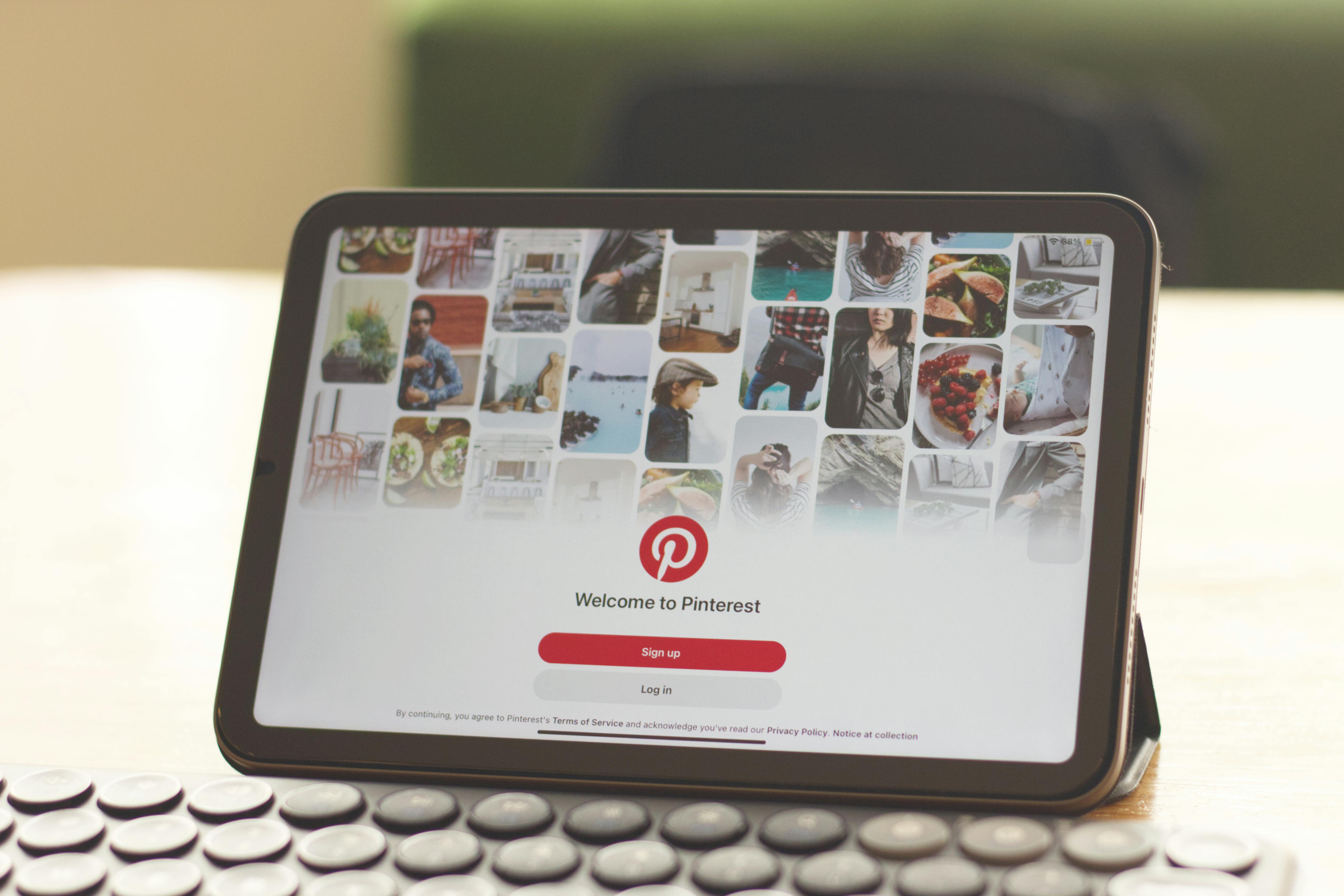
Pinterest works best as a traffic engine, not a standalone income source. It sends visitors to a blog, printable shop, or affiliate offer rather than paying you directly.
You create pins that link back to that destination.
Pinterest’s search-based algorithm keeps sending traffic to existing pins for months or years, unlike most social platforms where a post dies after 48 hours. Setup is free beyond design time in Canva.
4. YouTube Channel
Best for: People comfortable on camera with 8+ hours/week to invest early on · Startup cost: $0 (phone camera) · Time to earnings: 6–12 months

Once a video is up, it can earn for years without you touching it again. You create it once, and ad revenue and affiliate links keep paying out as long as people watch.
Setup is free with a phone camera, though it usually takes 1,000 subscribers and 4,000 watch hours before ad revenue kicks in.
Since YouTube, Pinterest, and Etsy can all change their algorithms without warning, build an email list alongside any of these — it’s the one audience channel that doesn’t depend on someone else’s platform.
5. Newsletter Monetization
Best for: Writers who enjoy a consistent publishing cadence · Startup cost: ~$50/month · Time to earnings: 6–12 months

You build an email list and earn through sponsorships, affiliate links, or your own product recommendations.
Tools like ConvertKit or beehiiv have free tiers up to a few hundred subscribers.
A 1,000-subscriber list with strong engagement can realistically generate $1,000/month through sponsorships, depending on the niche.
Best Digital Product Passive Income Ideas
Digital products have no inventory and no shipping, which keeps margins high once a product exists.
Across all five formats below, solving a specific problem your buyer already has matters more than which format you pick.
A printable that solves a real problem outsells a beautifully designed course nobody asked for.
Many ideas in this guide share the same business model — creating and selling digital products.
The difference is usually the niche, not the sales process. Once you learn one format, expanding into a related niche is often easier than starting an entirely new income stream.
Before building anything, validate the idea. Search Etsy for existing listings, review counts, and customer feedback in your topic.
Check Pinterest trends for related search terms. Ask your email list or followers directly what they’d pay for. A few hours of validation can save weeks of building something nobody wants.
6. Selling Printables
Best for: Beginners who want a fast first sale with low risk · Startup cost: $0–$50 · Time to earnings: 1–3 months

You design a single printable — planners, trackers, checklists — and sell it on Etsy unlimited times with no added production cost per sale.
Many sellers earn their first sales within 30 days of listing, with $800/month possible after building a catalog of 10–20 products.
Get our complete blueprint on Etsy printables for beginners here.
7. Selling Canva Templates
Best for: Designers comfortable with Canva who want a low-cost product to sell · Startup cost: $0–$50 · Time to earnings: 1–3 months

You build templates inside Canva for things like social posts, resumes, or invitations, then sell access through Etsy or your own site.
Buyers customize and use them instantly, which makes templates an easy first purchase for new customers.
8. E-books
Best for: Writers with a specific expertise or solution their audience needs · Startup cost: $0–$100 · Time to earnings: 1–3 months

What problem does your reader have at 11pm that they’d pay $19 to solve by morning? That’s your e-book topic.
You write a focused guide on a specific problem your audience has, then sell it through your own site or platforms like Gumroad.
A 30–50-page e-book can produce steady income once you have traffic from a blog or Pinterest sending people to it.
9. Online Courses
Best for: Women with a teachable skill and an existing audience · Startup cost: $100–$500 · Time to earnings: 3–6 months

You package a skill you already have into a structured course, hosted on platforms like Teachable or Thinkific.
Courses take longer to build than printables or e-books, but they sell at a higher price point, often $200 or more.
Once you’ve validated demand for the core course, you can layer on a coaching add-on, a private community, or a premium toolkit.
10. Stock Photography
Best for: Photographers who want a side stream rather than a primary income source · Startup cost: $0 · Time to earnings: 3–9 months

Individual payouts here are small, often under a dollar per download. You sell photos through sites like Shutterstock or Adobe Stock, earning a small royalty each time someone downloads one.
Meaningful income usually requires hundreds or thousands of quality images in your portfolio. This works best as a side stream alongside another idea, not a primary income source.
Best Passive Income Ideas for Stay-at-Home Moms
These ideas use the parenting and household expertise moms already have.
11. Children’s Printables
Best for: Moms with homeschool or early childhood experience · Startup cost: $0–$50 · Time to earnings: 1–3 months

This is a specialized version of the printables model applied to the parenting and homeschool niche.
You design activity sheets, learning trackers, or chore charts for kids, then sell them on Etsy to other parents and teachers.
Demand stays steady year-round, with spikes around back-to-school and holidays.
12. Parenting Courses
Best for: Moms with a specific solved parenting challenge to teach · Startup cost: $100–$300 · Time to earnings: 3–6 months

Parents searching for a solution to a specific problem convert well because they want the answer now, not someday.
You turn a specific parenting skill — sleep training, toddler routines, picky eating — into a short paid course or guide.
13. Meal Planning Templates
Best for: Moms who love organizing meals and helping busy families save money · Startup cost: $0–$50 · Time to earnings: 1–3 months

Another niche application of the printables model, aimed at busy families. You create weekly meal plan templates, grocery lists, or budget-friendly recipe bundles.
This pairs naturally with a food or budgeting blog, since the audience is already searching for exactly this.
14. Educational Resources
Best for: Former teachers or homeschool moms with curriculum knowledge · Startup cost: $0–$50 · Time to earnings: 1–3 months

The homeschool and teacher resource market on Etsy is large and repeat-purchase friendly, since families buy new resources every school year.
You build worksheets, lesson plans, or homeschool curriculum bundles for parents and teachers.
To compare this track with other flex setups, check out our report on the best side hustles for stay-at-home moms here.
AI-Powered Passive Income Ideas
AI tools have made several of these ideas faster to build, though the income still depends on marketing and quality, not the tool itself.
15. AI-Generated Templates

You use AI tools to speed up the design process for printables, templates, or worksheets, then refine and brand them yourself before selling.
The tool speeds up production. Buyers still expect a polished, useful final product. For a full list of free options, see our guide to free AI tools for side hustles here.
16. AI-Assisted Blogging
Here’s what I’d actually do here — use AI for outlines and research, then write the final post yourself in your own voice.
Google’s guidance indicates thin AI-generated content without real expertise or editing struggles to rank, so this only works as a speed boost, not a replacement for original writing.
17. Digital Product Creation With AI

You use AI tools to draft e-book chapters, course outlines, or worksheet copy faster, cutting weeks off product development.
The upfront research and editing still need a human eye to keep the final product accurate.
18. Automated Content Businesses

This is less a single income idea and more a way to make several of the ideas above take less weekly time.
You set up systems — content calendars, scheduling tools, templates — that let you batch a month of content in a few sessions instead of daily work.
The takeaway across this whole category — AI speeds up production, but it doesn’t replace expertise, quality, or the marketing work needed to actually sell what you make.
Investment-Based Passive Income Ideas
These ideas trade upfront money for ongoing income, with little time commitment after setup.
Before putting money into any of these, most financial guidance suggests building an emergency fund and paying down high-interest debt first — that’s a more reliable return than most investments.
⚠️ Important Disclaimer
Every idea in this section carries real risk. Investment values can decline, including the possibility of losing principal, and returns are never guaranteed — even for historically stable options like index funds. This is not financial advice.
19. Dividend Stocks

You buy shares in companies that pay a portion of profits back to shareholders on a regular schedule.
Many dividend-paying companies yield roughly 2–5% annually, though yields vary by company and market conditions.
This works best as a long-term, slow-growth strategy, not a quick income source.
20. REITs

Real estate investment trusts let you invest in real estate income — rental buildings, commercial property — without buying or managing property yourself. REITs are bought through a regular brokerage account, the same way you’d buy a stock.
21. Index Funds

This is a wealth-building tool, not a source of monthly spending money. You invest in a fund that tracks a broad market index, like the S&P 500.
The S&P 500 has historically returned about 7–10% annually before inflation over long periods, though past performance doesn’t guarantee future results, and any single year can be flat or negative.
22. Rental Properties

This requires the most upfront capital of any idea on this list, often tens of thousands of dollars for a down payment, plus ongoing maintenance costs.
You buy a property and earn ongoing rental income, either managing it yourself or paying a property manager.
| Idea | Startup Cost | Risk Level | Time Commitment |
|---|---|---|---|
| Dividend Stocks | Low–Medium | Medium | Very Low |
| REITs | Low–Medium | Medium | Very Low |
| Index Funds | Low | Low–Medium | Very Low |
| Rental Properties | Very High | Medium–High | Medium |
Passive Income Ideas for Creative Women
If you already create art, designs, photos, or music, these ideas turn those skills into recurring sales.
23. Print-on-Demand
Best for: Graphic designers and illustrators who want zero inventory risk · Startup cost: ~$50 · Time to earnings: 2–4 months
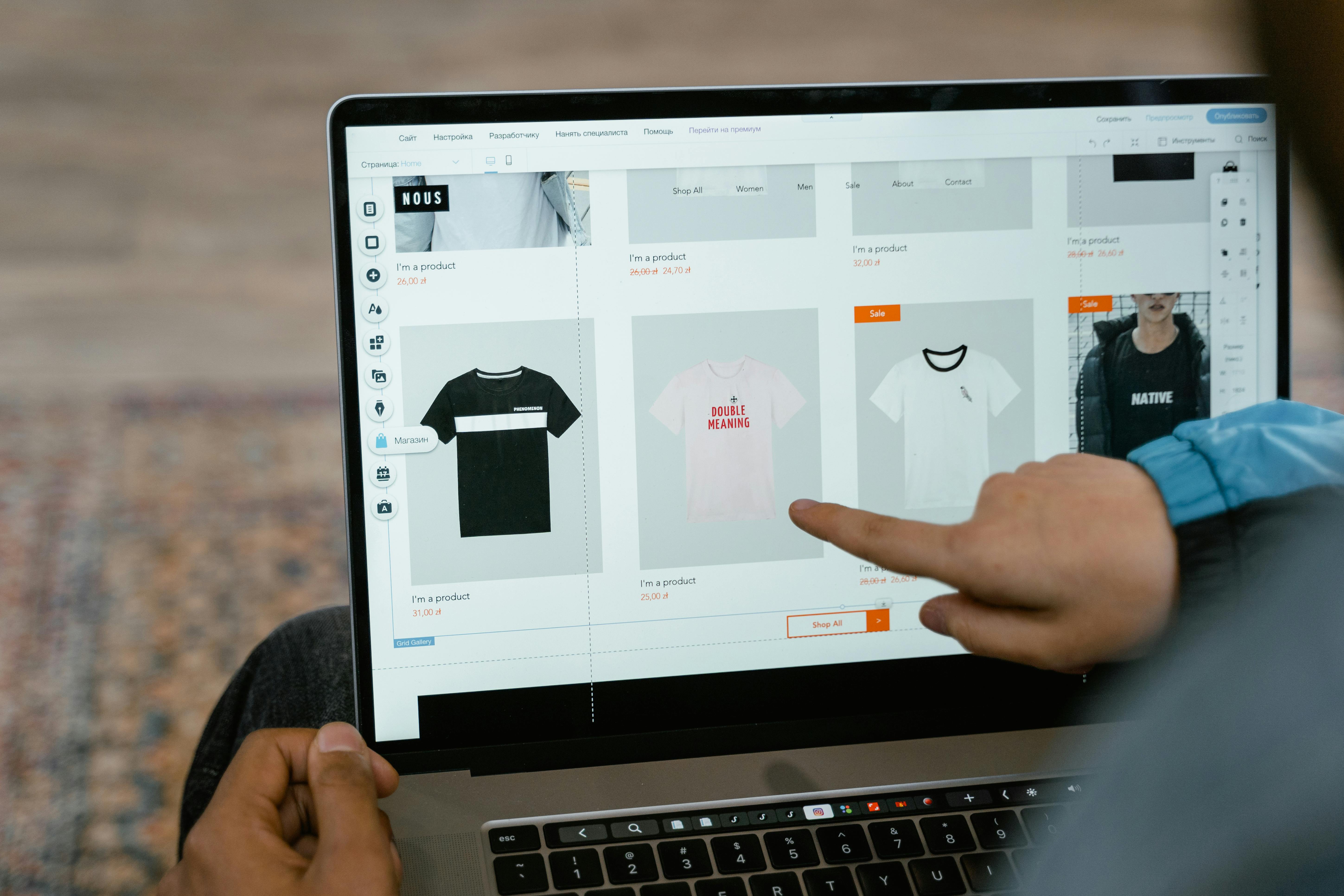
You design artwork or graphics, upload them to a platform like Printful or Redbubble, and the platform handles printing, shipping, and customer service. You earn a margin on each sale with no inventory risk.
24. Licensing Artwork
Best for: Established artists with a portfolio who want royalty income · Startup cost: $0 · Time to earnings: 6–18 months

This takes longer to build relationships for, but it can produce ongoing royalty income from work you made once.
You license your designs to brands, fabric companies, or stock platforms, and get paid a royalty each time your work is used.
25. Selling Design Assets
Best for: Graphic designers who want to sell to other creators · Startup cost: $0–$50 · Time to earnings: 2–6 months

Other entrepreneurs need these constantly for their own content, which is why design assets sell well.
You create reusable assets — fonts, icon sets, Canva elements, social graphic packs — and sell them to other creators and small business owners.
More Advanced Versions: Once one of the digital asset lines is running, you can grow it into a higher-value ecosystem. Coaching programs combine pre-recorded modules with structured group support so you aren’t capped by 1-on-1 hours. Membership communities create predictable recurring monthly revenue, and premium templates solve specialized, high-ticket problems for corporate clients.
📊 All 25 Ideas Ranked by Effort and Income Potential
| Idea | Startup Cost | Difficulty | Income Potential | Time to First Earnings |
|---|---|---|---|---|
| Affiliate Marketing | Low | Medium | Low–Medium | 3–6 months |
| Blogging | Low | Medium–High | Medium–High | 6–12 months |
| Pinterest Marketing | Low | Medium | Low–Medium | 3–6 months |
| Printables (Etsy) | Low | Low–Medium | Medium | 1–3 months |
| E-books | Low | Medium | Medium | 1–3 months |
| Online Courses | Medium | High | Medium–High | 3–6 months |
| Dividend Stocks | Medium–High | Low | Low–Medium | 1+ years |
| Index Funds | Medium | Low | Medium (long-term) | 5+ years |
| Rental Properties | Very High | High | High | 1–3 months |
Mistakes Women Make When Building Passive Income
Avoid these structural false starts:
- Chasing trends: Jumping to the trend of the month never gives any one idea enough time to actually work.
- Expecting instant results: Most of these ideas take 3 to 12 months to produce consistent income. Quitting at month two is the most common reason people don’t see results.
- Building too many streams at once: Splitting limited hours across five half-built ideas usually produces worse results than putting that same time into one idea until it works.
- Ignoring marketing: A great printable or course with no traffic behind it earns nothing. The product is only half the work — getting it in front of people is the other half.
- Skipping audience research: Building a product before confirming anyone wants it is one of the most common reasons a launch falls flat. A quick check on Etsy, Pinterest, or with your own audience first saves weeks of wasted work.
- Underpricing products: Pricing too low to “compete” often signals low quality and trains buyers to expect discounts. A fairly priced product that solves a real problem sells just as well.
- Waiting to collect emails: Waiting until a product is finished to start an email list means launching to zero people. Collecting emails from day one gives you an audience ready to buy the moment you launch.
90-Day Action Plan to Build Your First Passive Income Stream
📅 Days 1–30
Pick one idea from this list based on your self-assessment answers above. Build the first version — list 3–5 products, publish your first post, or fund your first investment account.
📅 Days 31–60
Start promoting consistently. Pin daily on Pinterest, publish 1–2 blog posts a week, list 2–3 new products, or send your first two emails to your growing list. Consistency in this window matters more than perfection.
📅 Days 61–90
Review what’s working and double down on it. Aim for measurable markers — 10+ products listed, 8+ blog posts published, 100+ email subscribers, or your first $100 in sales. Then start planning your second product based on what the first one taught you.
Income is the slowest metric to move in the first 90 days. Traffic, subscribers, and product listings are leading indicators — and they usually show up first.
Frequently Asked Questions
What is the easiest passive income idea for women to start?
Selling printables on Etsy is one of the easiest starting points. It needs minimal startup cost beyond design time and marketplace fees, and can produce a first sale within weeks.
Can I start passive income with no money?
Yes. Affiliate marketing, blogging on free platforms like Medium or Substack, and Pinterest marketing all have $0 startup costs, though they take longer to produce income than ideas with some upfront investment.
How much can beginners realistically earn?
Most beginners earn $0–$200/month in their first three months, growing from there with 6–12 months of consistency. Results vary widely by niche and effort.
Which passive income idea is best for stay-at-home moms?
Printables, meal planning templates, and parenting courses tend to fit best because they use existing parenting knowledge and don’t require a strict daily schedule.
How long does passive income take to work?
Most digital product and content-based ideas take 3 to 12 months to build momentum. Investment-based income can take years to compound into meaningful payouts.
Is passive income truly passive?
No. Almost every idea here requires real upfront work and some ongoing maintenance — which is why “income with delayed effort” is a more accurate description than effortless money.
What passive income ideas work without social media?
Blogging paired with Google search traffic, e-books sold through email lists, and dividend or index fund investing can all work without a social following.
Do I need to report passive income on my taxes?
Yes. Affiliate commissions, digital product sales, and investment income are generally taxable, so track your income and consult a tax professional once you start earning consistently.
Key Takeaways
Pick one idea that fits your self-assessment answers above, and give it a real 90-day window before judging whether it’s working.
Every idea on this list took real upfront effort from the women who made it work, and the ones who quit after a few weeks rarely saw results.
Choose one idea today, complete day one of the action plan this week, and check your progress at the 90-day mark.
Ready to establish your initial digital asset front? Find the practical launch pillars in our comprehensive Etsy printables for beginners guide here.
📖 Keep Reading