You've been told you need capital, connections, or credentials. In 2026 — you don't.
Platforms like Fiverr, Etsy, and TikTok have removed the gatekeepers — turning skills into income streams in days, not months. Over 50% of high-earning millennials and Gen Z professionals now run secondary income streams — by design, not necessity.
Each hustle on this list shows what it costs, what it pays — and how to earn your first dollar. At the end, there's a framework to help you choose based on your time, skills, and goals. For more context on which models work fastest, see our guide to beginner side hustle ideas that are paying in 2026.
Pick one. Start this week. Or come back in 90 days — same place, same excuses.
⚡ Key Takeaways
✅ Choose digital hustles — they're the fastest path from skill to income
✅ The best hustle isn't the most profitable — it's the one you'll actually execute
✅ Start before you feel ready — your first version should feel embarrassingly simple
✅ Use low cost to remove hesitation — but treat it like a real business from day one
👉 Score your top three ideas using the selector framework at the end. Start the highest scorer this week.

Why $100 Is the Right Threshold

The $100 startup threshold isn't arbitrary. It's the point where risk disappears. At under $100, you're not betting your savings — you're running a validation experiment. It works. You scale. It doesn't. You pivot. The cost of learning is zero.
This works in 2026 because of leveraged assets: your smartphone, your internet connection, your existing skills. The capital isn't cash — it's time and focused effort. Low cost kills hesitation — but only if you treat it like a real business, not a casual experiment.
$100 won't buy scale. It's enough to validate demand. That's the only job of your first dollar. Don't pick the most exciting idea. Pick the one you'll actually execute.
💻 Digital Service Hustles
These trade time for money, fast. Lowest barrier to entry — and the quickest path to a first paycheck.
1. Freelance Writing and Editing
Startup cost: $0

Demand hasn't slowed — it's shifted. Brands don't want generalist bloggers. They want niche writers who understand SaaS, personal finance, health, or technical topics well enough to write content that ranks and sells.
Writers who use AI to draft faster, but edit well, are out-earning everyone right now. Niche writers with intermediate to advanced experience command $50 to $100 per hour. See our complete guide on how to get paid to write for the best platforms and a step-by-step plan.
One freelance writer turned two sample posts into $1,200 per month within 60 days of pitching.
Reality: Early income is inconsistent until you build repeat clients and a recognizable portfolio niche.
First step: Write two niche sample articles. Pitch five publications or blogs within 48 hours.
2. Virtual Assistant Services
Startup cost: $0–$50

The VA role has expanded well beyond data entry. Modern VAs handle social media scheduling, email marketing, CRM management, basic bookkeeping, and project coordination — earning $15 to $40 per hour.
The scaling play is the boutique agency model: outsource basic tasks, focus on strategy and client acquisition. Hitting top rates requires specialization in tools like HubSpot, Asana, or ConvertKit — not just inbox management.
Tradeoff: Generic VA services are saturated. Specialize in one industry or tool set to stand out.
First step: List your top five admin skills. Write a one-paragraph pitch. Send it to ten small business owners within 48 hours.
3. Online Tutoring
Startup cost: $0

Tutoring has matured from a student side gig into a high-paying structured industry. Platforms like Wyzant, Tutor.com, and Preply connect tutors with students globally — no geographic limits, no commute.
General elementary tutors earn $15–$25 per hour. SAT prep, graduate-level STEM, and coding instructors earn $30 to $125 per hour. Specialization is everything.
Watch out: Building a full schedule takes 2–4 weeks of profile optimization and competitive pricing.
First step: Create profiles on Wyzant and Tutor.com within 48 hours. Offer your first student a slight discount to land your first review fast.
4. Transcription Services
Startup cost: $0

Fast typist with good ears? Transcription pays. Platforms like Rev, TranscribeMe, and Scribie pay per audio minute. Experienced transcriptionists who work quickly earn $15–$25 per hour.
Medical and legal transcription pays significantly more but requires specialized vocabulary. Hitting top rates requires speed above 70 words per minute and familiarity with industry terminology.
Reality: Entry-level rates start low — around $0.45 per audio minute. Speed and accuracy move you up the pay tier.
First step: Apply to Rev and TranscribeMe within 48 hours. Complete your qualification test today.
5. Proofreading and Copy Editing
Startup cost: $0

If you catch every typo, proofreading pays. Bloggers, authors, course creators, and businesses need someone to review content before it goes live.
Proofreaders charge $25 to $50 per hour — fully remote, fully flexible. Hitting top rates requires fast turnaround, clean markup, and specialization in one content type — academic, legal, or editorial.
Tradeoff: Building a steady client base takes active outreach — passive Fiverr listings alone won't get you there fast.
First step: Create a Fiverr profile today offering proofreading for one specific content niche. Send three direct pitches to bloggers within 48 hours.
6. Social Media Management
Startup cost: $0–$50

Small business owners know they need to post consistently. Most don't know what to post — or don't have time. Rates run $300 to $1,000 per month per client. Land two clients and you're at meaningful supplemental income.
Prove your value by tracking follower growth, engagement rate, and click-throughs — then turn them into before-and-after screenshots for your next pitch.
Watch out: Your first client is the hardest to land without a portfolio. A free 30-day trial solves that.
First step: Offer a free 30-day trial to one local business within 48 hours. Document every metric. Use those results to land your next client at full rate.
7. Fiverr and Upwork Freelancing
Startup cost: $0

Fiverr and Upwork bring buyers to you. The key is specificity — generic profiles get ignored. Instead of "I write content," say "I write SEO blog posts for personal finance websites." Top services include graphic design, video editing,
copywriting, email marketing, voiceovers, and virtual assistance. Entry-level gigs start at $20–$50. Specialists earn $75–$150 per hour. Hitting top rates requires a strong review base, a polished profile, and a defined niche offer.
Reality: Your first few gigs need to be priced below market to generate reviews — expect that upfront.
First step: Create one highly specific service listing on Fiverr within 48 hours. Price your first gig slightly below market to land your first review fast.
8. AI Prompt Consulting and Workflow Setup
Startup cost: $0–$20
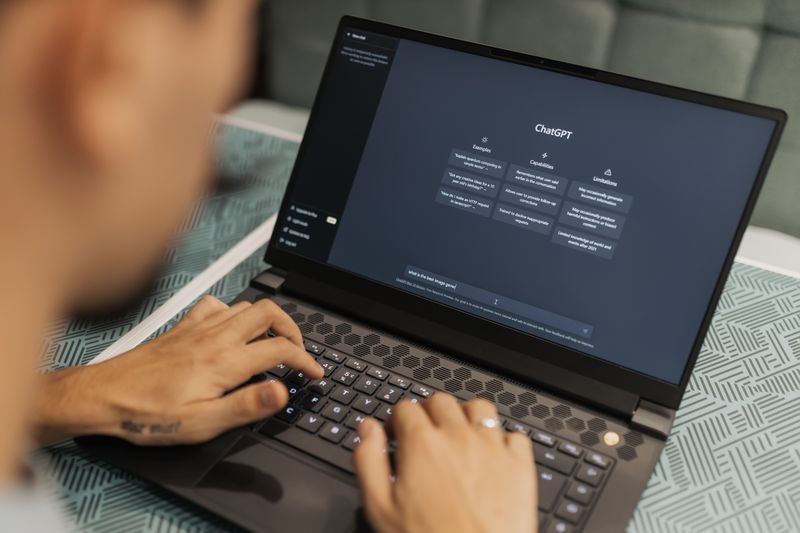
Small businesses know they should be using AI. Most have no idea where to start. Help them integrate tools like ChatGPT into daily operations — customer support, content creation, email workflows, HR documentation. Start with a free audit. Move to a setup fee.
Transition to a monthly retainer. Simple setups start at $300–$500. Monthly retainers often hit $500 or more. Hitting top rates requires strong familiarity with automation tools like Zapier, Make, or HubSpot.
Tradeoff: This hustle rewards patience — most businesses take 2–4 weeks of outreach before they say yes.
First step: Identify one small business doing repetitive tasks manually. Offer a free 30-minute workflow audit within 48 hours.
These don't trade time for money directly. The next category compounds through content and distribution.
✍️ Creative Content Hustles
These don't trade time for money directly. They compound through content and distribution — slower to start, much higher ceiling.
9. User-Generated Content (UGC) Creation
Startup cost: $0–$50

Brands pay creators to produce raw, phone-shot, believable content — not polished promotional campaigns. Your audience size is irrelevant. UGC creators earn $150 to $500 per video for brands in niches like beauty, fitness, home, and food.
Hitting top rates requires a strong demo reel, clear niche positioning, and professional-level phone footage.
Reality: Landing your first brand deal requires a portfolio of unpaid sample content — invest time before cash comes in.
First step: Film three sample UGC videos for products you already own. Pitch five brands via Instagram DM or email within 48 hours.
10. Stock Photography and Video
Startup cost: $0–$100

Upload high-quality images to Shutterstock, Adobe Stock, or iStock and earn 15–50% commission every time your work is downloaded. In 2026, the most in-demand stock content is authentic lifestyle photography — real people, real settings.
Video clips earn significantly higher royalties than still images. Hitting top commissions requires a large, diverse portfolio with strong keyword optimization on each upload.
Watch out: Expect around 200 uploads before meaningful income. Royalties build slowly.
First step: Upload 20 high-quality photos to Shutterstock within 48 hours. Track which subjects get the most downloads in your first month.
11. Video Editing for Short-Form Content
Startup cost: $0–$50
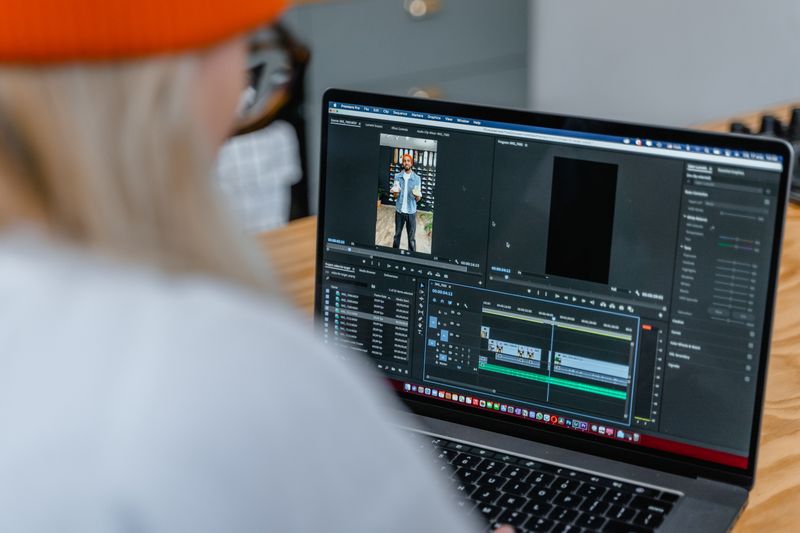
The short-form video boom — YouTube Shorts, Instagram Reels, TikTok — has created constant demand for editors who work fast and understand platform pacing. Free tools like DaVinci Resolve handle professional-level editing at zero cost.
Editors who specialize in one platform's style earn $25 to $75 per video — retainer clients who need five to ten videos per week are common. Hitting top rates requires strong platform knowledge, fast turnaround, and a portfolio showing real engagement results.
Tradeoff: Most creators won't pay until you've proven your edits perform — build a sample portfolio first.
First step: Edit one sample reel using free footage. Pitch five creators in your niche within 48 hours.
12. Graphic Design for Small Businesses
Startup cost: $0–$50

Businesses constantly need logos, social media templates, marketing materials, and branded visuals. Canva Pro at $13/month handles most small business design needs.
Designers who use AI tools like Midjourney to accelerate ideation deliver higher volumes at competitive rates. Hitting top rates requires a tight niche focus — one industry, one design style — not generalist work.
Reality: Design is subjective — expect revisions. Build clear revision policies from the start.
First step: Design three sample brand kits for fictional businesses in one niche. Offer your first real client a discounted package within 48 hours.
13. Selling Digital Products on Etsy or Gumroad
Startup cost: $0–$20

Create a file once. Sell it forever. Budget planners, Notion templates, social media kits, and prompt packs all qualify.
The trap is going too broad — "ADHD weekly planner for college students with habit tracker" beats "planner" every time. Etsy handles discovery. Gumroad handles direct sales. See what's selling right now in our guide to the best things to sell on Etsy in 2026.
Watch out: Passive income here isn't instant — expect 4–8 weeks before organic traffic builds to meaningful sales volume.
First step: Search Etsy for similar products. Read reviews to find gaps. List your first product within 48 hours.
14. Online Course Creation
Startup cost: $0–$50

Package your expertise into a course and sell it on Udemy, Skillshare, or Teachable. Udemy and Skillshare take a percentage of sales — your startup cost is your time.
A well-positioned course on a specific topic generates consistent monthly royalties with minimal ongoing work. Hitting top royalties requires strong keyword optimization, competitive pricing, and early positive reviews.
Reality: Most first courses earn under $100 per month until you learn platform SEO and build social proof.
First step: Outline a 10-lesson course on one topic you know deeply. Record the first three lessons within 48 hours using your phone or laptop camera.
The next category pays faster — but scales slower. These are the local income methods.
🏘️ Physical & Local Service Hustles
Pay faster. Scale slower. These are the quickest paths to cash in the physical world — no website, no following, no tech skills required.
15. Dog Walking and Pet Sitting with Rover
Startup cost: $0

Dog walkers on Rover earn $17 to $25 per walk. Pet sitters offering overnight stays charge $50 to $100 per night. Book your week and you're at $500–$700.
Rover handles booking, payment, and basic insurance. Hitting top rates requires strong reviews, repeat clients, and a busy suburban or urban market.
Tradeoff: Your first few bookings require discounted rates to build profile reviews — factor that into your first month.
First step: Create your Rover profile within 48 hours. Price slightly below local average. Accept your first booking this week.
16. House Cleaning Services
Startup cost: $20–$50

Basic cleaning supplies run $20–$50 to start. Experienced cleaners charge $25 to $50 per hour. Specialty cleaning — post-construction, move-out, or eco-friendly green cleaning — commands premium rates.
One happy client becomes three. Hitting top rates requires consistent availability, reliable equipment, and a specialty that justifies premium pricing.
Watch out: Physical work with no sick day buffer — inconsistent income if you can't show up.
First step: Post in three local Facebook groups within 48 hours offering a discounted introductory clean. Book your first client this week.
17. Furniture Flipping
Startup cost: $50–$100

Buy low. Refinish. Sell higher. Source from Facebook Marketplace, thrift stores, and estate sales. Refurbish with sandpaper, paint, and new hardware.
Profit margins of $100 to $400 per piece are common for well-chosen finds. Hitting top margins requires strong sourcing instincts and a local market with appetite for refurbished pieces.
Reality: Each flip ties up cash until the piece sells — cash flow can get tight if inventory sits.
First step: Browse Facebook Marketplace for solid wood furniture under $30 within 48 hours. Research comparable sold prices. Make your first offer.
18. Handyman Services
Startup cost: $0–$50
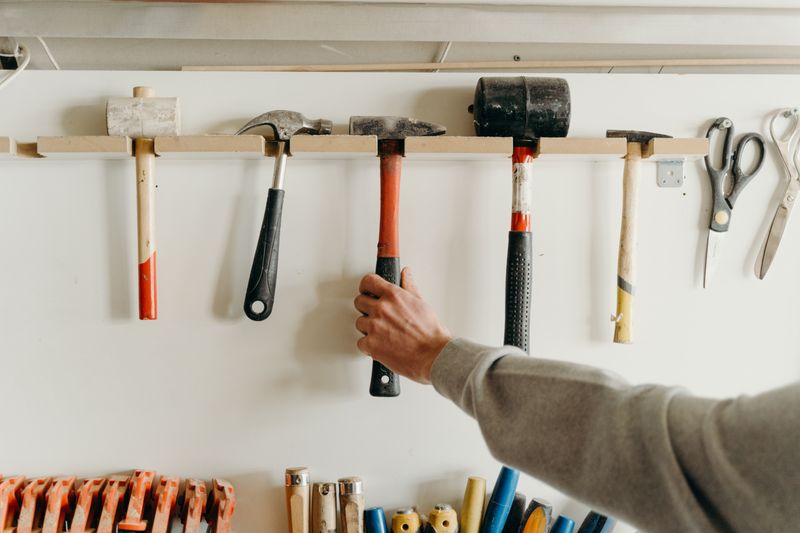
If you already own a basic tool kit, entering this market costs almost nothing. Minor household repairs — furniture assembly, outlet switching, shelf installation, caulking — run $20 to $50 per hour.
TaskRabbit handles client discovery and payment. Hitting top rates requires strong reviews, a defined service list, and reliable availability in a high-demand market.
Tradeoff: Liability is real — know your limits before taking on complex repairs.
First step: Download TaskRabbit within 48 hours. Complete your profile. Set your rate slightly below local average to land your first three jobs fast.
19. Mobile Car Detailing
Startup cost: $50–$100

A basic detailing kit — vacuum, microfiber cloths, wax, interior cleaner — runs $50 to $100. Detailers charge $50 to $150 per car depending on the package.
A full Saturday of four cars clears $200 to $400. The mobile angle — you come to the client — is the differentiator. Hitting top rates requires a full Saturday schedule, premium add-ons, and strong word-of-mouth referrals.
Watch out: Weather dependency makes income inconsistent in winter months — plan seasonally.
First step: Buy a basic detailing kit. Post your service in three local Facebook groups within 48 hours offering a discounted first detail.
20. Lawn Care and Yard Maintenance
Startup cost: $0 if you own a mower

If you own a mower and basic yard tools, startup cost is zero. Rates run $20 to $45 per hour. A full Saturday of four or five lawns clears $150 to $200. Hitting top rates requires a recurring client base, seasonal service add-ons, and reliable equipment.
Reality: Purely seasonal in colder climates — plan a secondary income stream for winter months.
First step: Knock on five doors in your neighborhood within 48 hours. Offer a first lawn at a discounted rate.
These models scale — but competition and thin margins punish unfocused execution.
🛒 Lean E-Commerce Hustles
These models scale — but competition and thin margins punish unfocused execution. Pick a niche before you build anything.
21. Print-on-Demand (POD)
Startup cost: $0–$50

Create designs. A platform like Printify handles printing, packaging, and shipping after each order. Zero inventory, zero upfront risk.
Beginners earn $50 to $250 per month early on. Sellers who build brand identity around a specific niche scale to thousands by leveraging social media trends and Etsy traffic. Hitting top income requires a recognizable design aesthetic, niche audience alignment, and consistent distribution.
Tradeoff: Generic designs don't sell. Without a clear niche and marketing plan, most POD shops earn almost nothing.
First step: Open a free Printify account. Connect it to an Etsy shop. List five designs in one tight niche within 48 hours.
22. Dropshipping
Startup cost: $50–$100

Run an online store where the manufacturer ships directly to your customer. Your job is marketing and customer service — you never touch the product.
Success in 2026 requires finding niche products that solve specific problems — not generic items competing on price with Amazon. Hitting top margins requires strong paid or organic traffic, a differentiated product angle, and low return rates.
Watch out: Thin margins and high competition mean most beginners spend weeks testing before their first profitable sale.
First step: Research three problem-solving niche products using Google Trends and TikTok search. Build a basic Shopify store around the strongest one within 48 hours.
23. Retail Arbitrage and Reselling
Startup cost: $10–$100

Buy low. Sell high. Source vintage clothing, overstock goods, or specialty items from thrift stores, estate sales, and library book sales.
Resell on Depop, eBay, or Poshmark. Experienced resellers earn $25 to $33 per hour once they've developed a sharp eye for high-margin finds. Hitting top hourly rates requires fast sourcing instincts, strong platform knowledge, and an established buyer base.
Reality: Early reselling is slow — your first few flips teach you more than they pay you.
First step: Visit one thrift store within 48 hours. Research five items against eBay sold listings. List anything with a 3x or better margin today.
24. Amazon Merch and Kindle Direct Publishing (KDP)
Startup cost: $0

Amazon Merch lets you upload designs to sell on Amazon-fulfilled apparel — zero upfront cost, royalties paid per sale.
KDP lets you self-publish books without a traditional publisher. Low-content books — journals, planners, activity books — are the highest-volume entry point. Income becomes passive once you learn keywords, covers, and positioning.
Hitting top royalties requires a catalog of 20 or more titles, strong keyword research, and covers that compete visually with traditionally published books.
Tradeoff: A single title earns almost nothing. Volume and keyword optimization build meaningful monthly royalties.
First step: Research three low-content book niches on Amazon. Design your first journal cover in Canva. Publish your first title within 48 hours.
25. Laundry and Personal Concierge Services
Startup cost: $0–$30
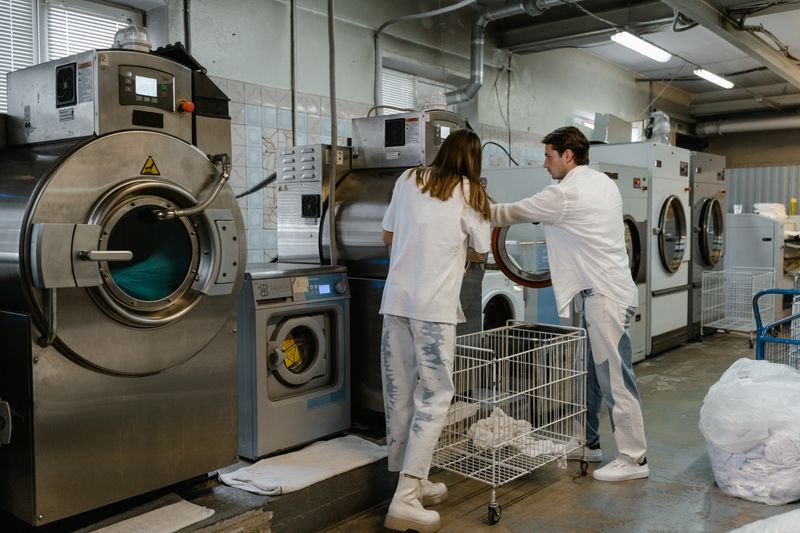
Time poverty is real — and people pay well to solve it. Laundry pickup and delivery, grocery runs, errand completion, and personal concierge work require minimal startup cost and generate immediate income.
Rates run $15 to $30 per hour, with premium pricing for same-day or urgent requests. Hitting top rates requires reliable transportation, fast response times, and a growing base of repeat clients.
Watch out: Inconsistent one-off gigs make early income unpredictable — repeat clients are what stabilize it.
First step: Post in three local Facebook groups within 48 hours offering errand and concierge services. Respond to every inquiry within the hour.
🎯 How to Choose — The Selector Framework
The biggest obstacle isn't finding a side hustle. It's choosing one and starting. This framework forces strategic thinking over emotional impulse.

Score your top three ideas on each criterion — 1 (weak fit) to 4 (strong fit). Max score is 40. Highest score wins.
1. Does this excite you enough to push through the slow early weeks?
2. Is there a clear, immediate way to reach buyers?
3. Can you launch a basic version within days?
4. Does it stay under $100 to start?
5. What could this earn in 2–3 years with consistent effort?
6. Is the model simple enough to run solo?
7. Can technology eventually handle most of the work?
8. How easy is it to add a new customer without significantly more time?
9. How simple is it to stop if it doesn't work?
10. Could this eventually become an asset worth 2–5x annual earnings?
Score each idea out of 40. Freelance writing might score 32/40 for someone with strong writing skills and an existing niche. Dropshipping might score 24/40 for a beginner with no ad budget. The numbers force strategic thinking over emotional impulse.
Short on time? Score just three — time to first dollar, path to customers, and excitement level. Pick the highest scorer and start.
Most Will Read This. Few Will Act.
You don't need a perfect plan. You need a scored idea and a first step. The 25 hustles on this list all start for under $100. Most start for free. The ones that generate the most income long-term aren't the flashiest — they're the ones that align with what you already know, fit realistically into your schedule, and get treated like a real business from day one.
Score your top three ideas. Pick the highest. Take the first step today — then come back and tell me what you chose and what you earned.
Drop your pick in the comments — I read every one.
Frequently Asked Questions
What side hustle can I start with $50 or less?
Freelance writing, virtual assistance, tutoring, proofreading, social media management, dog walking, UGC creation, and digital products on Etsy all start for $50 or less — most for free. Start with the one that matches a skill you already have.
How do I make $1,000 a month on the side?
Two freelance writing clients at $500 each. Three social media management clients at $350 each. A dog walking schedule of four dogs per day at $20 per walk. That's rent. Debt gone. Breathing room. Any of these paths hit $1,000 per month within 60–90 days with consistent effort.
Is side hustle income taxable in the US?
Yes. Anyone earning more than $400 from self-employment must report it and pay self-employment tax — currently 15.3% of net earnings. Every payment — set aside 30%. No exceptions. Common deductions include home office space, equipment, software subscriptions, and business mileage.
What are the best side hustles for stay-at-home moms?
Selling printables on Etsy, virtual assistant work, freelance writing, online tutoring, and social media management — all flexible, fully remote, and buildable around a family schedule. Start with the one that fits your existing hours, not the one that sounds most impressive. Our guide to earning money from home as a mom covers which of these pays fastest.
How do I avoid side hustle scams in 2026?
Three red flags: upfront fees for training or equipment, overpayment check scams, and reshipping jobs involving packages from strangers. Legitimate opportunities never ask you to pay to start. Research every platform before signing up. Never share personal information before a verified contract is signed.
How fast can I make my first $100?
Dog walking, TaskRabbit, DoorDash, and selling items you already own can generate $100 within 24–48 hours. Freelance writing and tutoring hit that in the first week with active pitching. Etsy and KDP take longer — but scale without trading more time.
You Might Also Love
→ 19 Beginner Side Hustle Ideas You Can Start This Week
→ 11 Real Ways Moms Can Earn Money Without a Traditional Job
→ 17 Best Things to Sell on Etsy in 2026
→ Get Paid to Write: Top Sites and Strategies for 2026
→ 29 Small Business Ideas For Women That Actually Make Money